





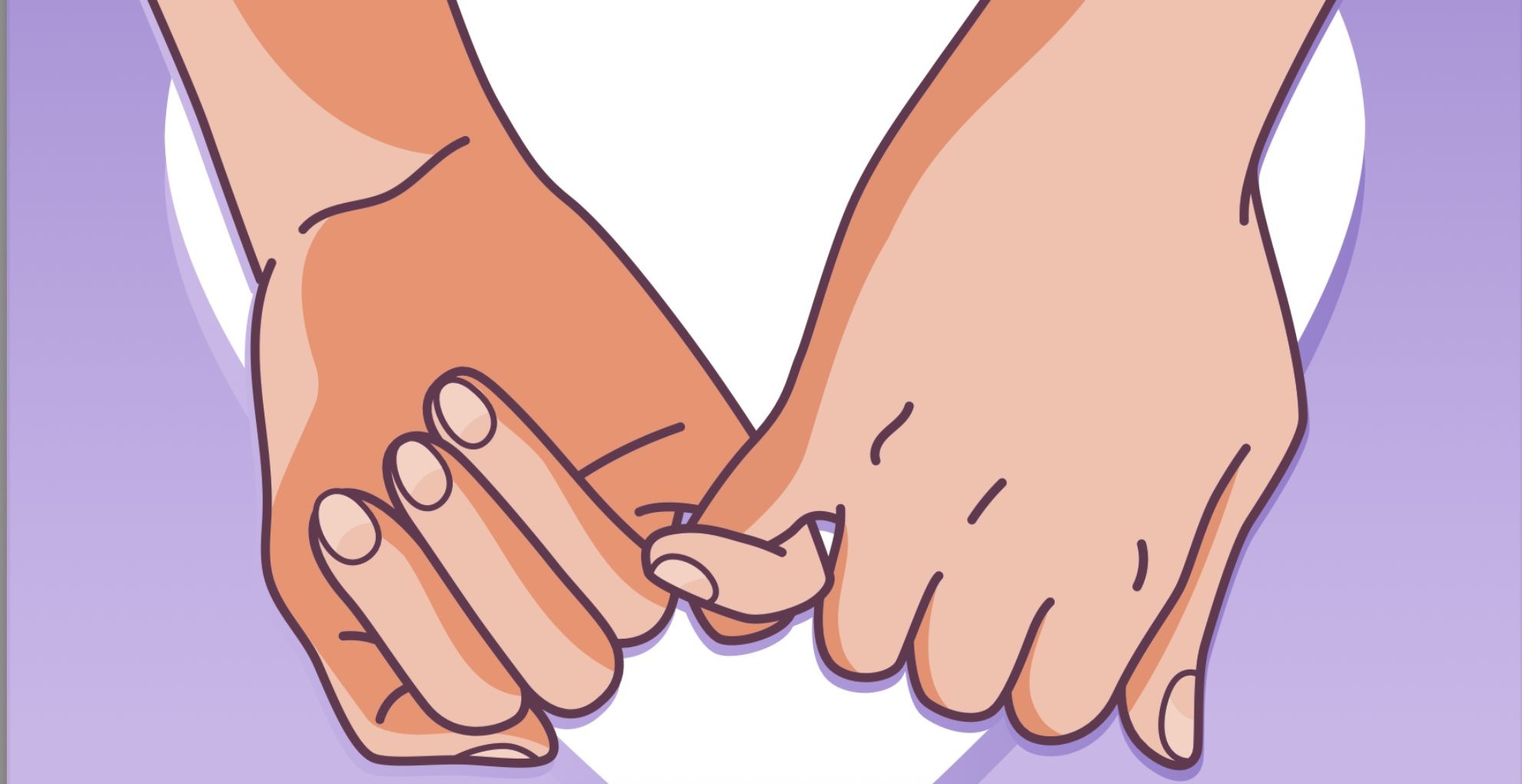
What Is Sugar Dating?
Sugar dating sits in a grey area. It’s not purely romantic, but it’s not purely transactional either. It’s somewhere in between, which is why it’s hard to define neatly. Both people involved usually understand what they’re getting into from the beginning, and that clarity is often seen as a key part of the arrangement.Why it’s suddenly everywhere
The biggest shift in India isn’t that sugar dating has appeared out of nowhere, it’s that it’s become visible. Over the past decade, apps and platforms have made it easier for people to connect, turning what used to be informal into something more structured. And because everything now leaves a digital footprint, these arrangements are no longer invisible. Cities like Mumbai, Delhi, Bengaluru, and Hyderabad are at the centre of this shift. Young people in these urban spaces are more connected, more exposed, and more open to exploring unconventional choices. Social media has played a huge role in this. It constantly showcases a lifestyle filled with travel, luxury, and experiences that many entry-level salaries simply can’t support. The money reality behind the trend If you look at the numbers, the appeal becomes easier to understand. Rent in cities like Mumbai or Bengaluru can take up a huge chunk of a young professional’s salary. Add student loans, daily expenses, and the pressure to keep up, and the gap between what people earn and what they aspire to becomes very real. For some, sugar dating becomes a practical decision. A student might enter such an arrangement to pay tuition fees. A young professional might do it to afford better housing or a more comfortable lifestyle. It’s not always about luxury; it’s often about survival or stability.The power imbalance no one can ignore
That said, there’s an important side to this conversation that can’t be overlooked. These relationships are rarely between equals. One person has financial power, and the other depends on it. That imbalance can quietly influence everything, from decision-making to how safe someone feels saying no. This is what experts describe as a constrained choice. On paper, it looks like a free decision. But in reality, it’s shaped by limited options. Even so, many participants, especially women, enter these arrangements with clear boundaries and specific goals. They are not unaware of the risks; they are navigating them in their own way.The risks that stay hidden
In India, cultural stigma pushes sugar dating into secrecy. People often lead double lives, which makes it harder to talk about their experiences or ask for help when something goes wrong. There’s also no clear legal framework around these arrangements, which leaves participants unprotected in many situations. Issues like financial manipulation, emotional harm, or even blackmail are real risks. But because of the lack of open conversation, these problems often go unaddressed. The silence around the topic can sometimes be more harmful than the arrangement itself.So what does this trend really say about us?
Sugar dating isn’t just a passing internet trend; it reflects something deeper about modern life. It highlights the gap between aspiration and reality, especially for young people trying to build a life in expensive cities. It also raises questions about relationships, power, and what people are willing to trade for stability or opportunity. Instead of looking at it through a purely moral lens, it may be more useful to understand the conditions that make such choices seem reasonable. Conversations around financial independence, safer systems, and clearer legal protections are far more important than judgment.The articles, news features, interviews, quotes, and media content displayed on this page are the property of their respective publishers and media houses. All such materials have been sourced from publicly available online platforms where our name, views, or contributions have been referenced, quoted, or featured.
Gateway of Healing / Dr. Chandni Tugnait / Others (as applicable) does not claim ownership over any external media content reproduced or linked here. The purpose of displaying these articles is solely for informational use, record-keeping, and to acknowledge media mentions related to our work.
Full credit for authorship, editorial content, and intellectual property rights belongs to the original publishers, journalists, and media organizations.
If any publisher or rights holder wishes to request modification, updated attribution, or removal of any content featured on this website, they may contact us at info@gatewayofhealing.com, and we will take appropriate action promptly.
Read the Article on Author's webpage - CLICK HERE


