


What Is Seasonal Affective Disorder?
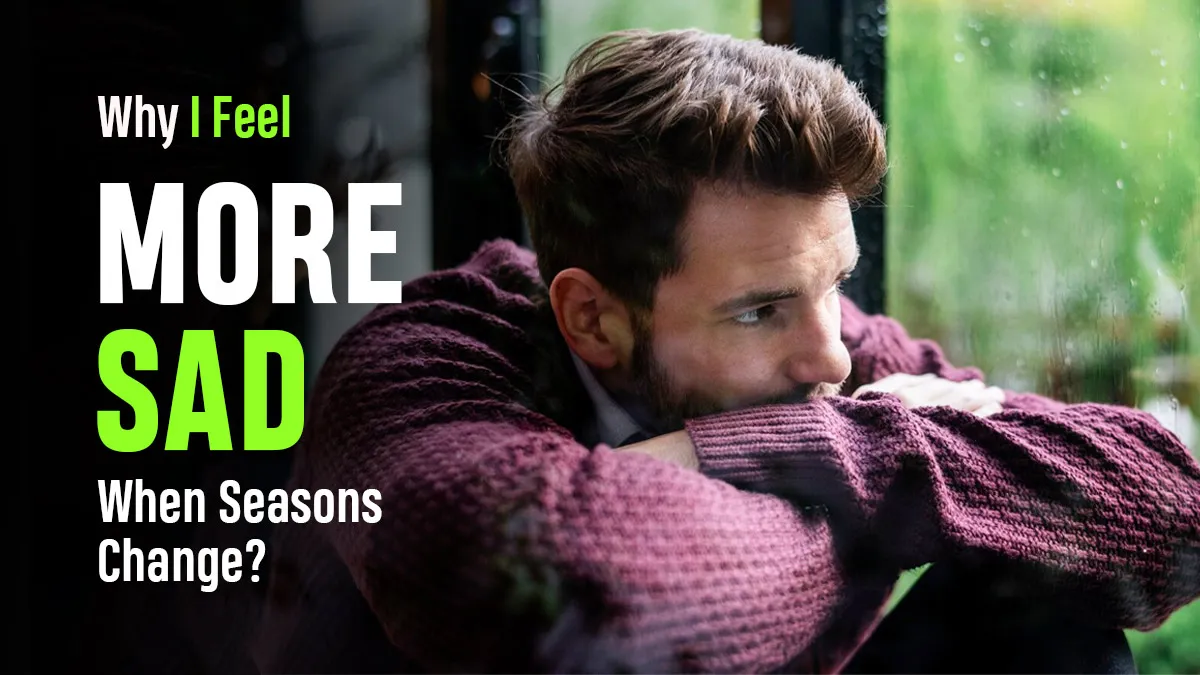
Seasonal affective disorder is a form of depression that follows a seasonal pattern. It most commonly begins in autumn or winter and improves during spring or summer, although some people experience a pattern during spring or summer.Is Feeling Sad During a Seasonal Change Normal?
“It is possible to experience temporary changes in mood, energy, or motivation when seasons change. For example, darker days, changes in routine, extreme heat, or reduced outdoor activity may affect sleep and daily habits,” shares Dr Chandni Tugnait, Psychotherapist, Founder & Director, Gateway of Healing.Common Symptoms of SAD
According to a report published by the National Institute of Mental Health (NIMH), the symptoms can vary from person to person, but winter-pattern SAD may cause:- Persistent low mood
- Loss of interest or pleasure in activities
- Low energy or unusual tiredness
- Sleeping more than usual
- Difficulty concentrating
- Changes in appetite
- Increased cravings, particularly for carbohydrates
- Social withdrawal
- Feeling hopeless, worthless or helpless
Why Does Less Daylight Matter?
One possible explanation for winter-pattern SAD is reduced exposure to sunlight. Light helps regulate the body’s circadian rhythm, the internal system that controls sleep and wakefulness. Changes in daylight exposure may disrupt this rhythm in some people.Seasonal Blues vs SAD: Quick Checklist
| Seasonal Blues | Seasonal Affective Disorder (SAD) |
| Mood may dip occasionally | Low mood is persistent and significant |
| You can generally continue daily activities | Work, studies, relationships, or daily routines may be affected |
| Symptoms are usually mild | Symptoms can be moderate to severe |
| Energy may be slightly lower | Fatigue and low energy can be marked |
| Sleep may change temporarily | Major changes in sleep are common |
| You can still enjoy most activities | Interest or pleasure in usual activities may decrease |
| Mood improves as you adjust to the season | Symptoms follow a recurring seasonal pattern |
| Usually improves with routine, social contact, and outdoor activity | May require professional treatment such as CBT, light therapy, or medication |
| Does not usually cause feelings of hopelessness | May involve hopelessness, worthlessness, or thoughts of self-harm |
Who Is More Likely to Develop SAD?
SAD can affect anyone, but some people have a higher risk. A history of depression or bipolar disorder can increase the risk. SAD is also more common in some regions where there are major seasonal changes in daylight.How Is SAD Diagnosed?
There is no single test that confirms seasonal affective disorder. A doctor or mental health professional will usually ask about symptoms, when they occur, and whether they follow a consistent seasonal pattern. They may also ask about sleep, appetite, energy levels, medical history, and how symptoms affect everyday life.How Is Seasonal Affective Disorder Treated?
When To Seek Help?
Do not dismiss persistent low mood as simply a reaction to changing weather. Consider speaking to a doctor or mental health professional if symptoms last for several weeks, return around the same season each year, interfere with daily activities, or cause significant changes in sleep, appetite, energy, or social behaviour.FAQ
-
How can I cope with seasonal affective disorder?
Yes, it is possible to cope with SAD. Experts recommend making a routine and increasing physical activity and light exposure. If required, take professional treatments. -
What month is seasonal depression the worst?
The worst months for seasonal affective disorder (SAD) in India are considered to be January and February, as these are the coldest months of the year.
The articles, news features, interviews, quotes, and media content displayed on this page are the property of their respective publishers and media houses. All such materials have been sourced from publicly available online platforms where our name, views, or contributions have been referenced, quoted, or featured.
Gateway of Healing / Dr. Chandni Tugnait / Others (as applicable) does not claim ownership over any external media content reproduced or linked here. The purpose of displaying these articles is solely for informational use, record-keeping, and to acknowledge media mentions related to our work.
Full credit for authorship, editorial content, and intellectual property rights belongs to the original publishers, journalists, and media organizations.
If any publisher or rights holder wishes to request modification, updated attribution, or removal of any content featured on this website, they may contact us at info@gatewayofhealing.com, and we will take appropriate action promptly.
Read the Article on Author's webpage - CLICK HERE