

Close Menu
    Facebook X (Twitter) Instagram
    Friday, October 16
    Facebook X (Twitter) LinkedIn VKontakte
    chandnitugnaitinnews
    Banner
    • Home
    • Media Presence
    • Mind & wellness
      • Cognitive Health
      • Mental Health
    • Family & Friends
      • Family
      • Friends
    • Relationship
      • Connection & Care
      • Love & Bonding
    • Well Being
      • Life
      • Positivity
    • Workplace
      • Career
      • Workplace
    • contact us
    chandnitugnaitinnews
    Home » How Beauty Advertising Influences Body Image: Dr Chandni Tugnait Explains Hidden Cost Of Chasing Perfection

    How Beauty Advertising Influences Body Image: Dr Chandni Tugnait Explains Hidden Cost Of Chasing Perfection

    Reproduced only for reference to articles mentioning our name. All rights remain with the original publisher.

    Explore how beauty advertising and social media influence body image and self-perception, and learn expert insights from psychotherapist Dr. Chandni Tugnait on building a healthier relationship with beauty.
    Her ZindagiHer Zindagi Mental Health October 11, 20266 Mins Read4 Views
    Share Facebook Twitter Pinterest LinkedIn Tumblr Email WhatsApp
    Share
    Facebook Twitter LinkedIn Pinterest Email
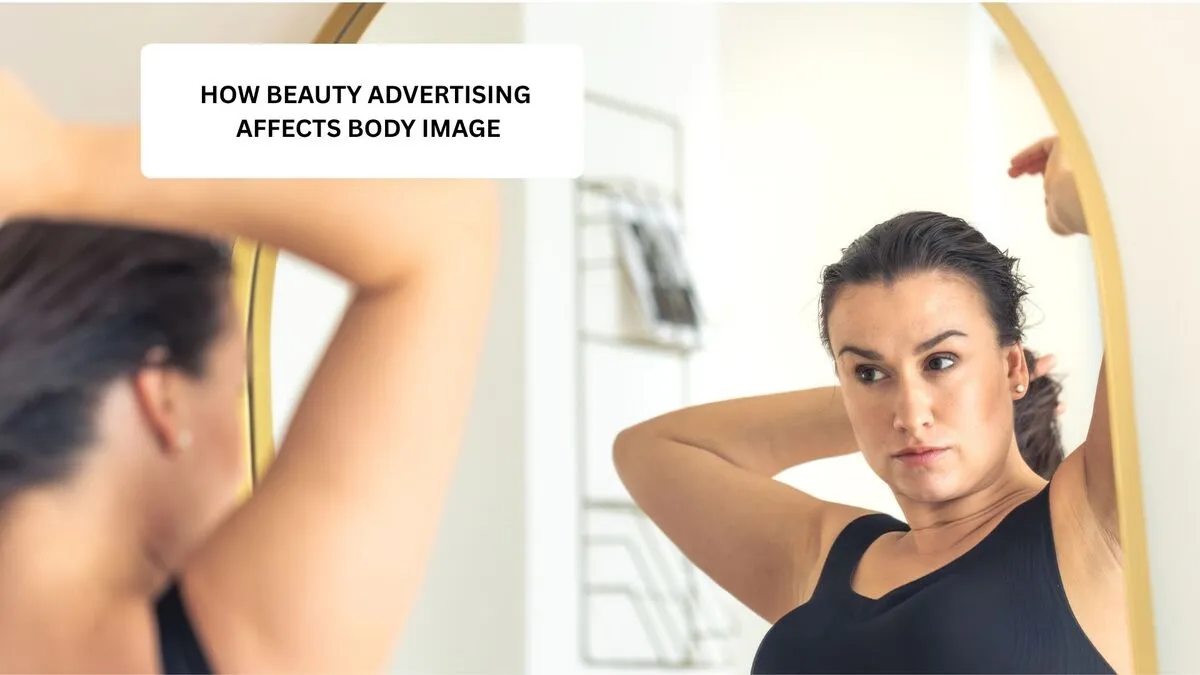
    Beauty advertising has long promised transformation. From glowing skin and flawless complexions to sculpted jawlines and perfectly proportioned bodies, advertisements often present an ideal of beauty that appears effortless, desirable and attainable. Yet, behind these carefully constructed images lies a reality worth examining: the influence of beauty advertising on how we perceive our bodies, evaluate our appearance and define our self-worth.
    Most flawless faces seen in beauty advertisements hardly exist outside their edited versions. Smoothed skin, reshaped facial features, carefully controlled lighting and digital retouching have become commonplace. Despite knowing that these images may be manipulated, we can gradually internalise them as representations of what an ordinary face or body should look like.

    How Beauty Advertising Influences Body Image

    Repeated exposure to digitally enhanced images can subtly change our perception of beauty. What initially appears extraordinary may eventually begin to feel ordinary, even expected. After years of seeing airbrushed skin and digitally perfected features, natural pores, uneven skin texture, fine lines and facial shadows can start to seem like imperfections rather than normal aspects of human appearance.
    This shift can create a persistent sense of inadequacy. A person may look in the mirror and feel dissatisfied, not because anything is wrong with their appearance, but because their reflection does not resemble an unrealistic standard they have repeatedly encountered. Over time, the gap between our actual appearance and an imagined ideal can influence confidence, self-esteem and emotional well-being. The more familiar these edited images become, the harder it may be to recognise how much they have shaped our expectations.

    Dr. Chandni Tugnait Explain Our Understanding of Beauty

    Advertising does more than promote products; it also communicates ideas about what society considers attractive. When the same skin tones, body types, facial features and age groups dominate campaigns, they can begin to appear like the accepted norm rather than one version of beauty among many.
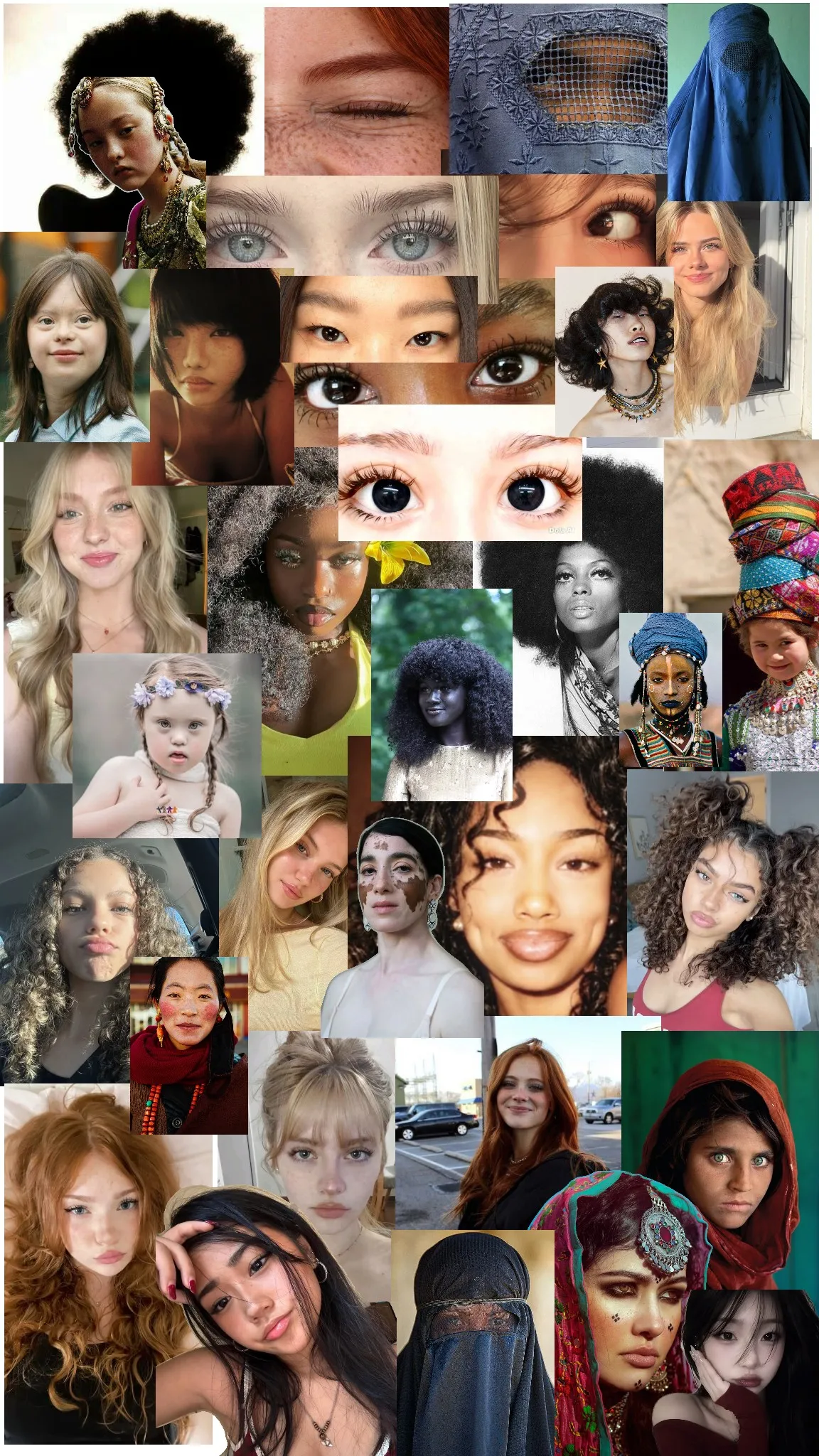
    In India, the historical preference for fair skin and slim body types in beauty advertising has contributed to narrow representations of attractiveness. Fairness-oriented messaging, in particular, has often reinforced the idea that lighter skin is more desirable or socially advantageous. Such representations can influence how people assess themselves and others, encouraging comparisons rooted in cultural conditioning rather than personal preference.
    When certain features are consistently celebrated while others receive little visibility, people may begin to question their natural characteristics. This can create a restricted understanding of beauty in which conformity is rewarded and diversity is overlooked.  
    understanding of beauty

    How Advertisements Create Insecurities ?

    One of the subtler ways beauty advertising influences body image is by presenting an ordinary feature as a problem that needs to be corrected. A campaign may draw attention to pigmentation, pores, wrinkles, body fat, hair texture or signs of ageing before introducing a product as the solution. This approach can encourage consumers to scrutinise their appearance for flaws they may not previously have considered important.
    Repeated exposure to such messaging can turn self-care into a continuous process of self-correction. Instead of asking what makes them feel comfortable, healthy or confident, people may begin asking what needs to be fixed before they can feel attractive enough. The concern is not the simple act of purchasing a beauty product. It is the possibility that repeated messages of inadequacy can change how people relate to themselves, making dissatisfaction feel like a prerequisite for improvement.

    How Social Media Is Changing Face of Self-Image

    The influence of beauty advertising extends beyond television commercials, magazine covers and billboards. Social media has made idealised beauty more personal and immediate. Filters and editing tools allow people to smooth their skin, brighten their complexion, alter facial proportions and modify their appearance before sharing photographs or videos. When individuals repeatedly see their enhanced faces on screen, those versions can become additional points of comparison. The unfiltered face may then seem disappointing, even though it is the authentic one. This can create a disconnect between how people look in everyday life and how they believe they should look.
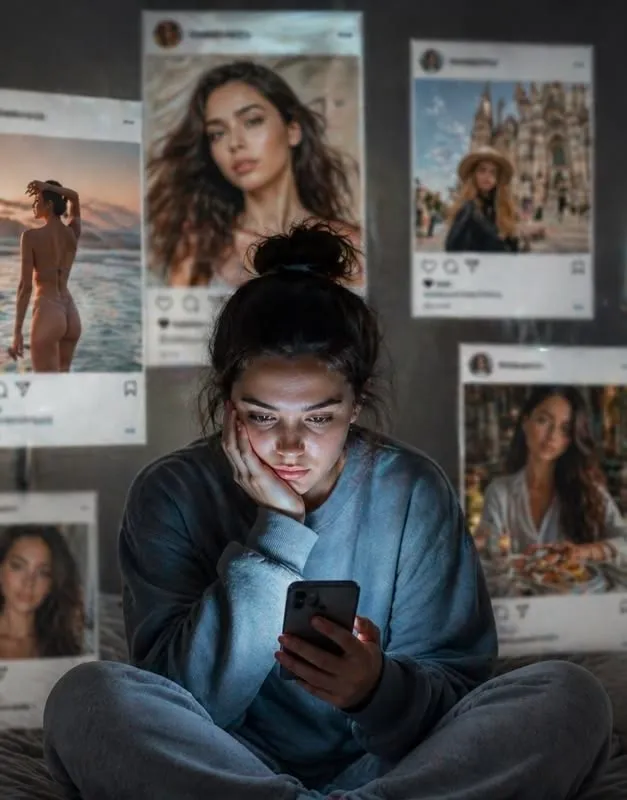
    For younger audiences, who may still be developing their sense of identity and self-esteem, constant exposure to idealised appearances can be particularly challenging. However, body-image concerns are not limited to one age group; adults, too, can experience dissatisfaction when they continually compare themselves with carefully curated representations of beauty.  
    role of social medai

    Hidden Emotional Cost of Constant Comparison

    Body image is not simply about what we see when we look in the mirror. It is also about the meaning we attach to our appearance and how much value we believe it gives us. When beauty advertisements repeatedly associate attractiveness with happiness, success, desirability or social acceptance, they can create the impression that looking a certain way is a prerequisite for living a fulfilling life. This may contribute to appearance-related anxiety, low self-esteem, excessive self-monitoring and dissatisfaction with one’s body. For some individuals, these feelings may also influence spending habits, social interactions or their willingness to participate in activities where they feel conscious of their appearance.

    How To Build A Healthier Relationship with Beauty

    The answer is not to reject beauty, skincare, makeup or fashion. Enjoying these things can be an expression of creativity, identity and self-care. The more important question is whether these choices come from personal enjoyment or from the belief that we are not enough as we are. Developing a healthier relationship with beauty begins with recognising the difference between an advertisement and reality. Understanding how lighting, camera angles, retouching and filters influence images can help us approach them with greater awareness.
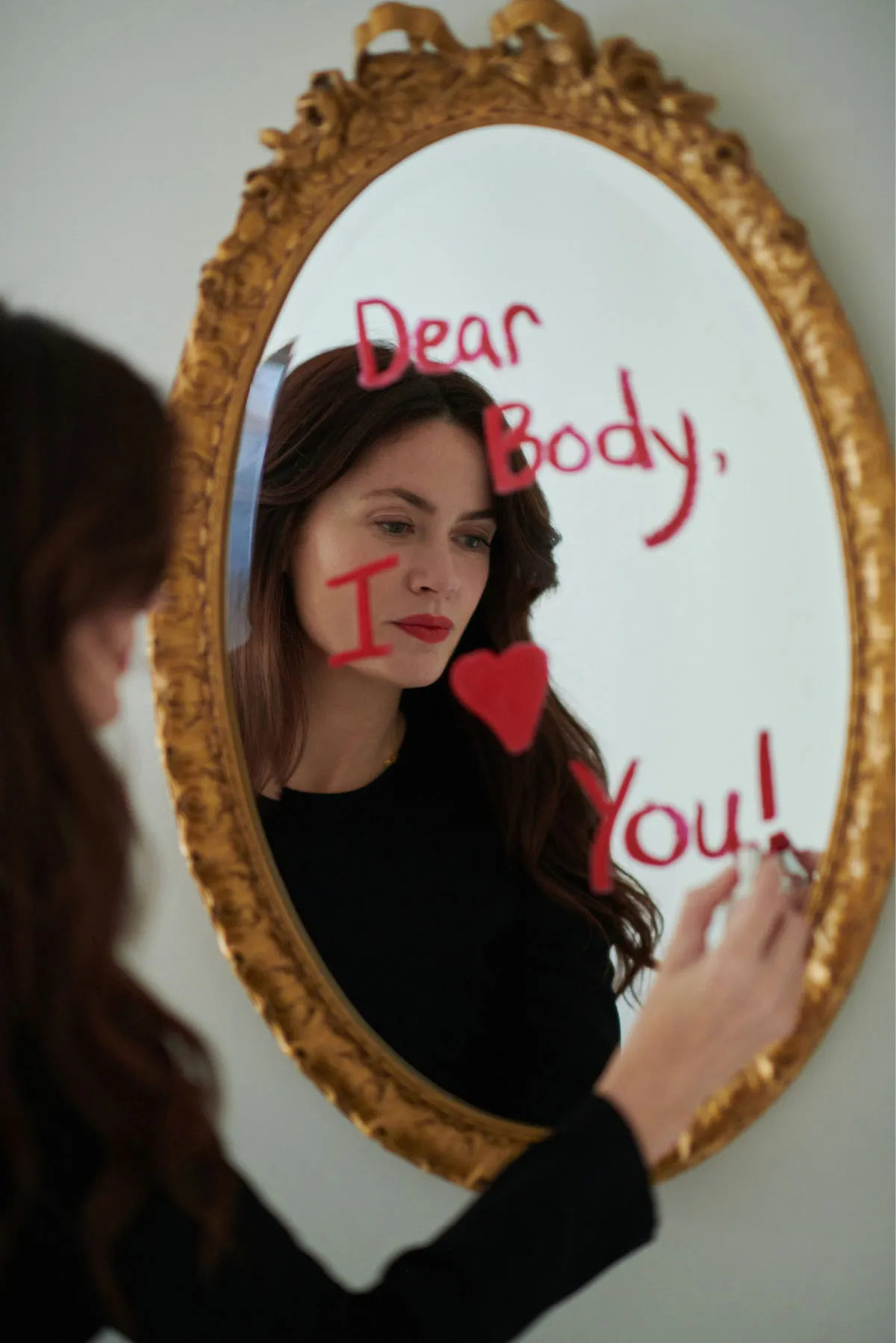
    Equally important is learning to speak to ourselves with kindness. Our bodies are not merely visual objects to be evaluated. They allow us to experience life, build relationships, express ourselves and participate in the world. Their worth cannot be reduced to how closely they resemble an advertisement.  
    love body

    Conclusion

    Beauty advertising has the power to influence cultural ideals, but it does not have to dictate our personal standards. The more consciously we engage with the images we consume, the easier it becomes to recognise that what is presented as perfection is often a carefully constructed version of reality. Dr. Chandni Tugnait says, ‘As a psychotherapist I believe awareness is an important starting point for changing our relationship with appearance. When we begin to question unrealistic standards rather than automatically measure ourselves against them, we create room for a more compassionate understanding of our bodies.’

    The articles, news features, interviews, quotes, and media content displayed on this page are the property of their respective publishers and media houses. All such materials have been sourced from publicly available online platforms where our name, views, or contributions have been referenced, quoted, or featured.

    Gateway of Healing / Dr. Chandni Tugnait / Others (as applicable) does not claim ownership over any external media content reproduced or linked here. The purpose of displaying these articles is solely for informational use, record-keeping, and to acknowledge media mentions related to our work.

    Full credit for authorship, editorial content, and intellectual property rights belongs to the original publishers, journalists, and media organizations.

    If any publisher or rights holder wishes to request modification, updated attribution, or removal of any content featured on this website, they may contact us at info@gatewayofhealing.com, and we will take appropriate action promptly.

    Read the Article on Author's webpage - CLICK HERE

      Leave a comment

      Your email address will not be published. Required fields are marked *

      Beauty Standards Body Image emotional wellbeing Mental Health Mental Health Awareness Personal Growth Self esteem Self worth
      Share. Facebook Twitter Pinterest LinkedIn Tumblr Email
      Previous ArticleWhy has being busy become a status symbol? Psychotherapist explains our obsession with staying productive

      Reproduced only for reference to articles mentioning our name. All rights remain with the original publisher.

      Next Article Workplace to brand culture: Can employees’ mental health become part of a company’s public identity?

      Reproduced only for reference to articles mentioning our name. All rights remain with the original publisher.

      Related Posts

      From concert tickets to weekend getaways: Why young indians are spending more on experiences than things

      Reproduced only for reference to articles mentioning our name. All rights remain with the original publisher.

      October 12, 2026

      Why do we feel awkward when someone compliments us? Psychotherapist explains why we struggle to accept praise

      Reproduced only for reference to articles mentioning our name. All rights remain with the original publisher.

      October 11, 2026

      Workplace to brand culture: Can employees’ mental health become part of a company’s public identity?

      Reproduced only for reference to articles mentioning our name. All rights remain with the original publisher.

      October 11, 2026

      Comments are closed.

      Archives
      Recent Posts
      • From concert tickets to weekend getaways: Why young indians are spending more on experiences than things

        Reproduced only for reference to articles mentioning our name. All rights remain with the original publisher.

        October 12, 2026
      • Why do we feel awkward when someone compliments us? Psychotherapist explains why we struggle to accept praise

        Reproduced only for reference to articles mentioning our name. All rights remain with the original publisher.

        October 11, 2026
      • Workplace to brand culture: Can employees’ mental health become part of a company’s public identity?

        Reproduced only for reference to articles mentioning our name. All rights remain with the original publisher.

        October 11, 2026
      • How Beauty Advertising Influences Body Image: Dr Chandni Tugnait Explains Hidden Cost Of Chasing Perfection

        Reproduced only for reference to articles mentioning our name. All rights remain with the original publisher.

        October 11, 2026
      • Why has being busy become a status symbol? Psychotherapist explains our obsession with staying productive

        Reproduced only for reference to articles mentioning our name. All rights remain with the original publisher.

        October 10, 2026
      Dr. Chandni Tugnait is the founder of Gateway of Healing, a TEDx speaker, Relationship Expert – Tinder India, NeuroEnergetic Transformation Coach, Psychotherapist, Life Coach, Business Coach, NLP Expert, and Healer. Over the past 15 years, she has transformed lives of more than 50,000 individuals through her work. Featured in over 500 leading media publications, Dr. Chandni is recognized for her expertise in mental health, personal growth, and relationships. Her mission is to empower people to achieve success and well-being through the alignment of energy, mindset and action.
      About

      This website includes recreated content derived from Dr. Chandni’s media features. All original rights & credits belong to the respective publication or media house.

      Facebook X (Twitter) Instagram YouTube LinkedIn
      Copyright © 2026 . Designed by Redcube Digital Media Pvt. Ltd, . This website includes recreated content derived from Dr. Chandni’s media features. All original rights & credits belong to the respective publication or media house.

      Type above and press Enter to search. Press Esc to cancel.