



Rohit was once deeply addicted to video games, “I was gaming so much that I developed blood pressure and other health problems,” he told IndianExpress.com. “That’s when I decided to control the urge myself. I still play, but not as much,” said Rohit, who is in his 30s. While his self-awareness and timely action helped him curb his gaming habits before it became a full-blown disorder, psychology experts said many struggle with gaming addiction such that clinical intervention becomes necessary.
Meera, a 32-year-old software engineer, was known for her sharp intellect and dedication at work. But behind the scenes, gaming had taken over her life in ways no one could see. What started as a harmless way to unwind after work turned into late-night marathons, secret gaming sessions during office hours, and a growing distance from loved ones. Her once-thriving relationship with her spouse suffered as she prioritised the virtual world over real connections. “Sleep-deprived and constantly irritable, she ignored the warning signs until chronic wrist pain and exhaustion forced her to confront the truth,” said Dr Chandni Tugnait, psychotherapist, coach, and founder of Gateway of Healing.
Another example is Rahul, a bright and ambitious 20-year-old, who had always been a top performer in school. But when he moved away for college, loneliness and academic pressure took a toll. What started as casual gaming soon became an all-consuming escape, stretching into 12-15 hours a day. He skipped classes, ignored assignments, and barely ate, his once-promising future fading behind the glow of his screen. His parents noticed the drastic change when he returned home – pale, withdrawn, and defensive about his gaming habits. Both of them had to seek therapy.
What’s the problem?
Gaming, undoubtedly, is an engaging form of entertainment, storytelling, and skill-building, but it must be experienced in moderation. As the industry continues to expand and digital technologies evolve, it is crucial to understand the complex relationship between humans and interactive media.
“This understanding is essential for developing appropriate prevention strategies and effective interventions for those genuinely affected by gaming disorder,” said Dr Tugnait.
What is gaming disorder?
Gaming disorder is a clinically recognised condition, officially included in the International Classification of Diseases (ICD-11) in 2018. “While the term ‘gaming addiction’ has permeated popular culture for years, its formal classification marked a significant shift in how excessive gaming behaviours are understood within healthcare systems worldwide,” Dr Tugnait said.
According to psychiatry.org, gaming addiction is described as Internet Gaming Disorder in the American Psychiatric Association’s Diagnostic and Statistical Manual of Mental Disorders (DSM 5-TR), used by mental health professionals to diagnose mental disorders in the United States of America. Internet Gaming Disorder is included in the section recommending conditions for further research, alongside caffeine use disorder and other behavioural conditions.
The legitimacy of gaming disorder as a diagnosis has sparked considerable debate. Some argue that labelling gaming as a disorder risks stigmatising a popular recreational activity and could lead to overdiagnosis. “Others, however, believe that formal recognition allows affected individuals to access appropriate treatment and supports research into effective interventions,” Dr Tugnait said.
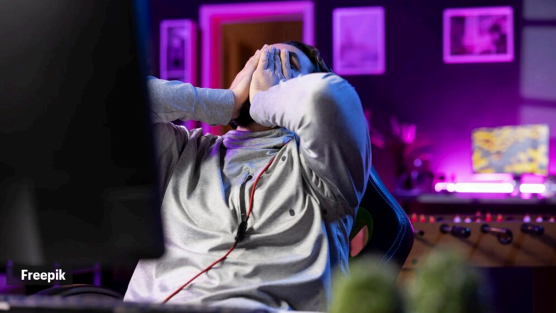
Impaired control over gaming habits is essentially an inability to regulate when and for how long to play (Photo: Freepik)
How is it diagnosed?
Three core diagnostic criteria characterise online and offline gaming behaviours. According to Dr Tugnait, impaired control over gaming habits is essentially an inability to regulate when and for how long they play. “Secondly, gaming takes increasing priority over other life interests and daily activities. Thirdly, continuation or escalation of gaming persists despite negative consequences occurring in personal, family, social, educational, or occupational domains,” said Dr Tugnait.
“For a formal diagnosis, these patterns must persist for at least 12 months, although severe cases meeting all diagnostic requirements may be diagnosed sooner,” said Dr Tugnait, adding that this helps differentiate genuine addiction from temporary phases of intense gaming, such as when a new game is released or during stressful life transitions.
When does gaming become a disorder?
Dr Tugnait said that most people who play video games––even extensively––do not develop problematic patterns that would qualify as a disorder, and that the key difference lies in whether gaming impairs multiple aspects of life.
“Warning signs include declining academic or work performance, withdrawal from previously enjoyed social activities, defensiveness about gaming habits, and physical symptoms such as sleep disturbances or wrist pain from excessive play,” Dr Tugnait said.
Gaming industry steps up
As the industry continues to grow, few companies are taking proactive steps to ensure that games are designed with player well-being in mind.
For example, SuperGaming, the developer behind Indus Battle Royale, has implemented a rank calibration system that operates only between 9 AM and 11 PM. “This ensures that players are not staying up all night grinding for ranks, helping them get the rest they need and preventing excessive late-night gaming. By setting these in-game limits, we create an environment where
competition remains fun without negatively impacting players’ sleep cycles or overall well being,” Roby John, CEO and co-founder, SuperGaming, told indianexpress.com.
Treatment approaches
Treatment for gaming disorder does not necessarily focus on complete abstinence. Instead, interventions typically include counselling, family therapy, and lifestyle modifications aimed at achieving a healthy balance.
An intervention led Rahul to therapy, where he confronted his emotional struggles and learned to rebuild structure in his life. Through therapy, scheduled breaks, and gradual reintegration into academics and social life, Rahul found balance. Today, he still enjoys gaming but this time, it’s a hobby, not a compulsion. Similar is the case with Meera who, with therapy, structured time management, and a conscious effort to rebuild her relationships, has gradually regained control. Today, she enjoys gaming in moderation, no longer letting it dictate her life.
“Interventions focus on developing healthy gaming habits, addressing underlying factors like depression or anxiety that may contribute to problematic use, and rebuilding neglected life areas,” said Dr Tugnait.
As the debate around gaming disorder grows, understanding differences between high engagement and harmful addiction remains crucial for gamers, parents, and mental health professionals alike.
The articles, news features, interviews, quotes, and media content displayed on this page are the property of their respective publishers and media houses. All such materials have been sourced from publicly available online platforms where our name, views, or contributions have been referenced, quoted, or featured.
Gateway of Healing / Dr. Chandni Tugnait / Others (as applicable) does not claim ownership over any external media content reproduced or linked here. The purpose of displaying these articles is solely for informational use, record-keeping, and to acknowledge media mentions related to our work.
Full credit for authorship, editorial content, and intellectual property rights belongs to the original publishers, journalists, and media organizations.
If any publisher or rights holder wishes to request modification, updated attribution, or removal of any content featured on this website, they may contact us at info@gatewayofhealing.com, and we will take appropriate action promptly.
Read the Article on Author's webpage - CLICK HERE