





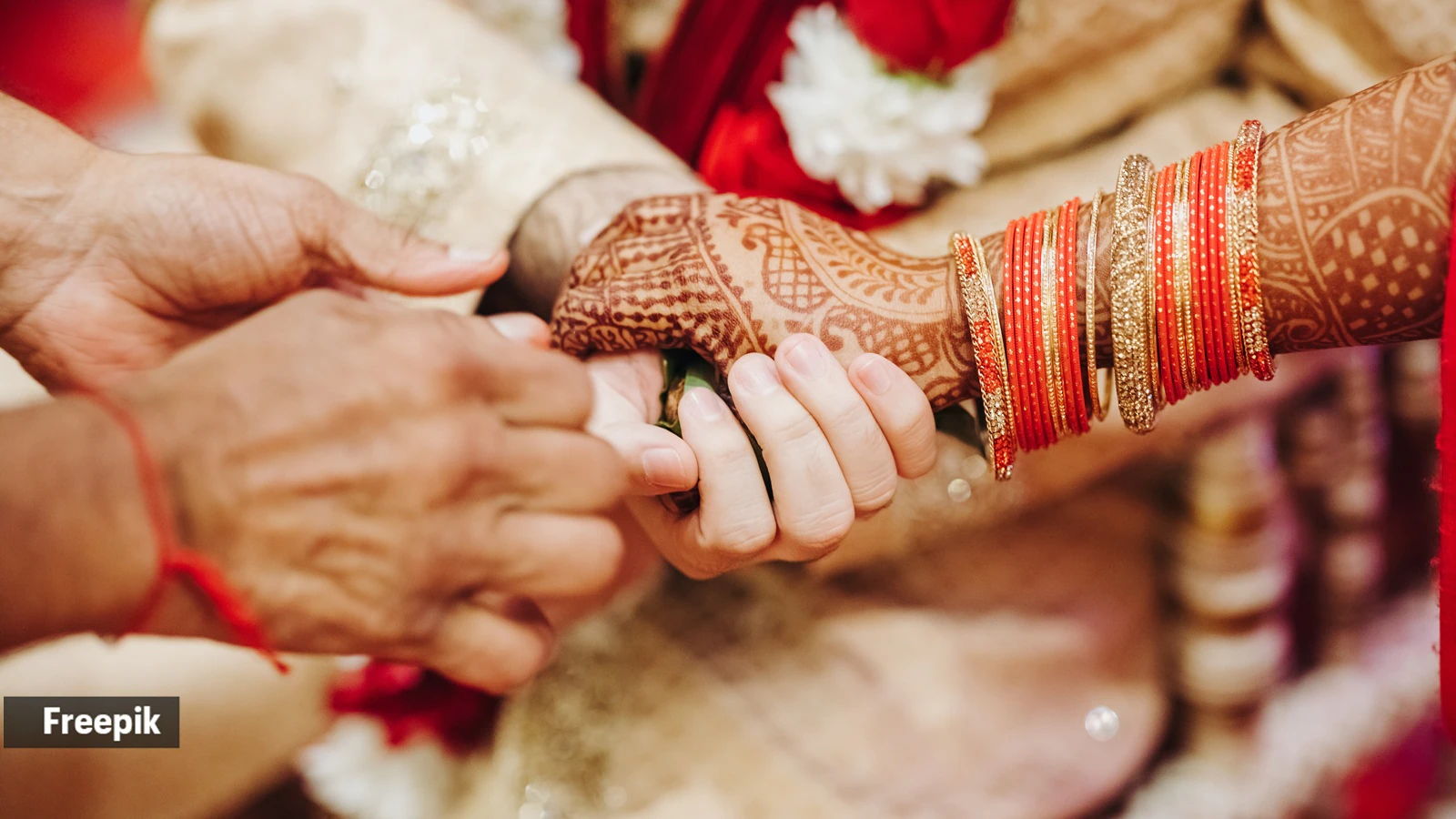
But what’s driving this change in an Indian wedding market pegged at Rs 10-12 crore, and is it a fad, or a lasting shift?
‘A conscious decision’
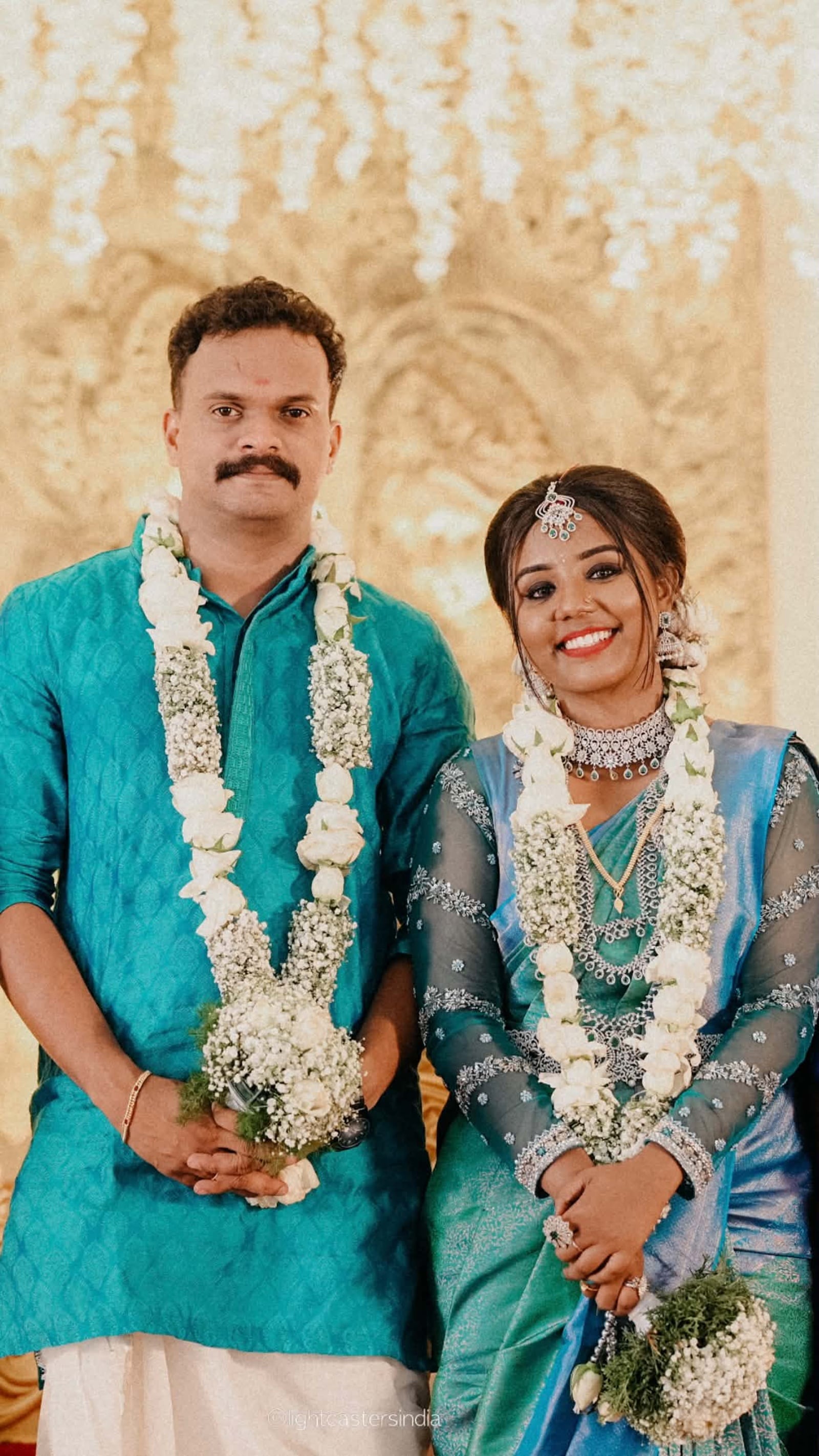
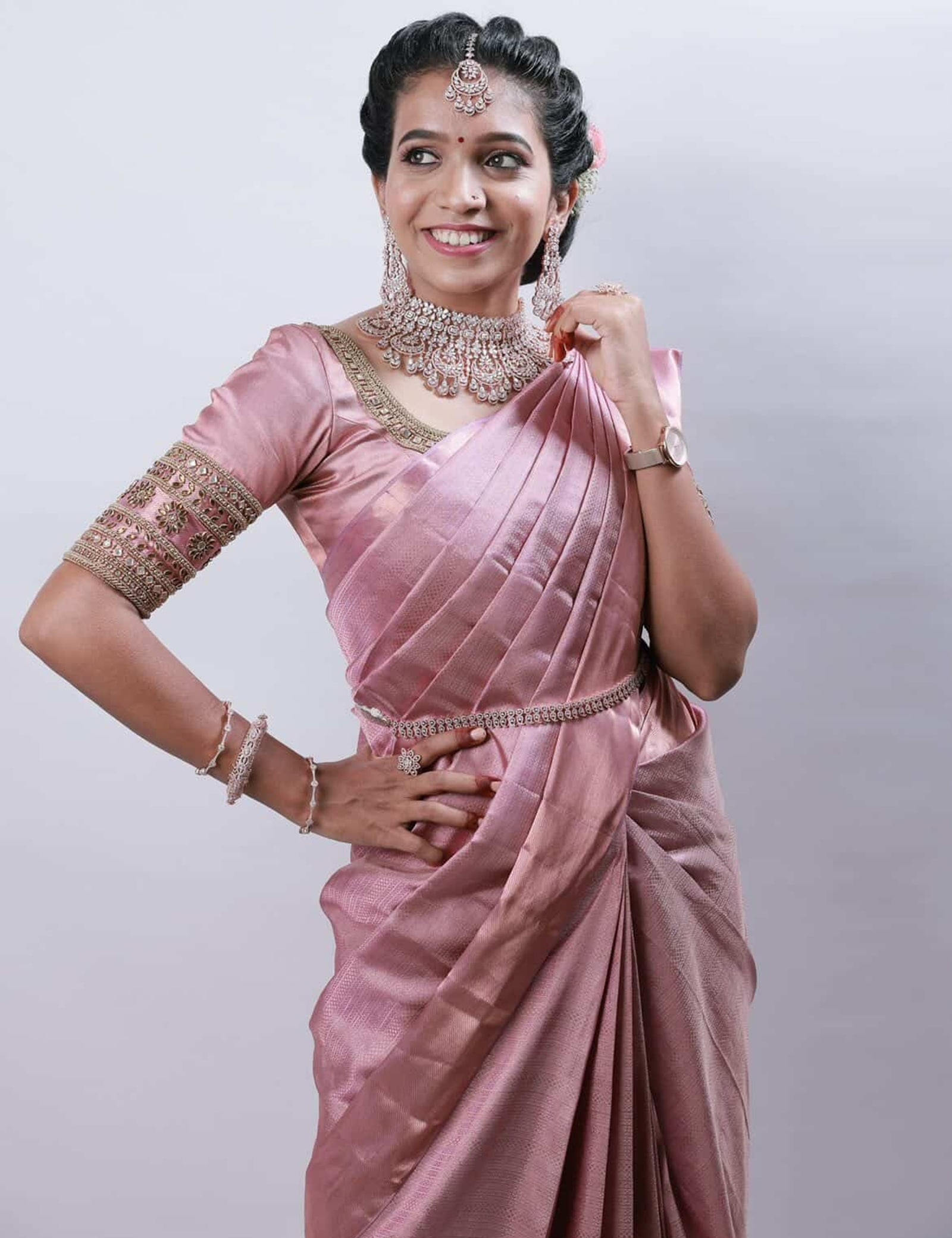
For Dr Sreekutty Sunilkumar, 30, who got married in January 2023, the decision came after learning about how dowry expectations, including gold, can lead to serious issues like financial burden, emotional stress, domestic violence, and even suicides. “I didn’t want to be part of a system that indirectly supports that. So I made a conscious and strict decision to completely avoid gold in my wedding. Gold has traditionally been a big part of weddings, but I felt it often brings unnecessary financial pressure. I preferred to focus more on the meaning of the ceremony and the experience rather than the material aspects,” the Kochi-based dental surgeon said.
‘Just another wedding decision’
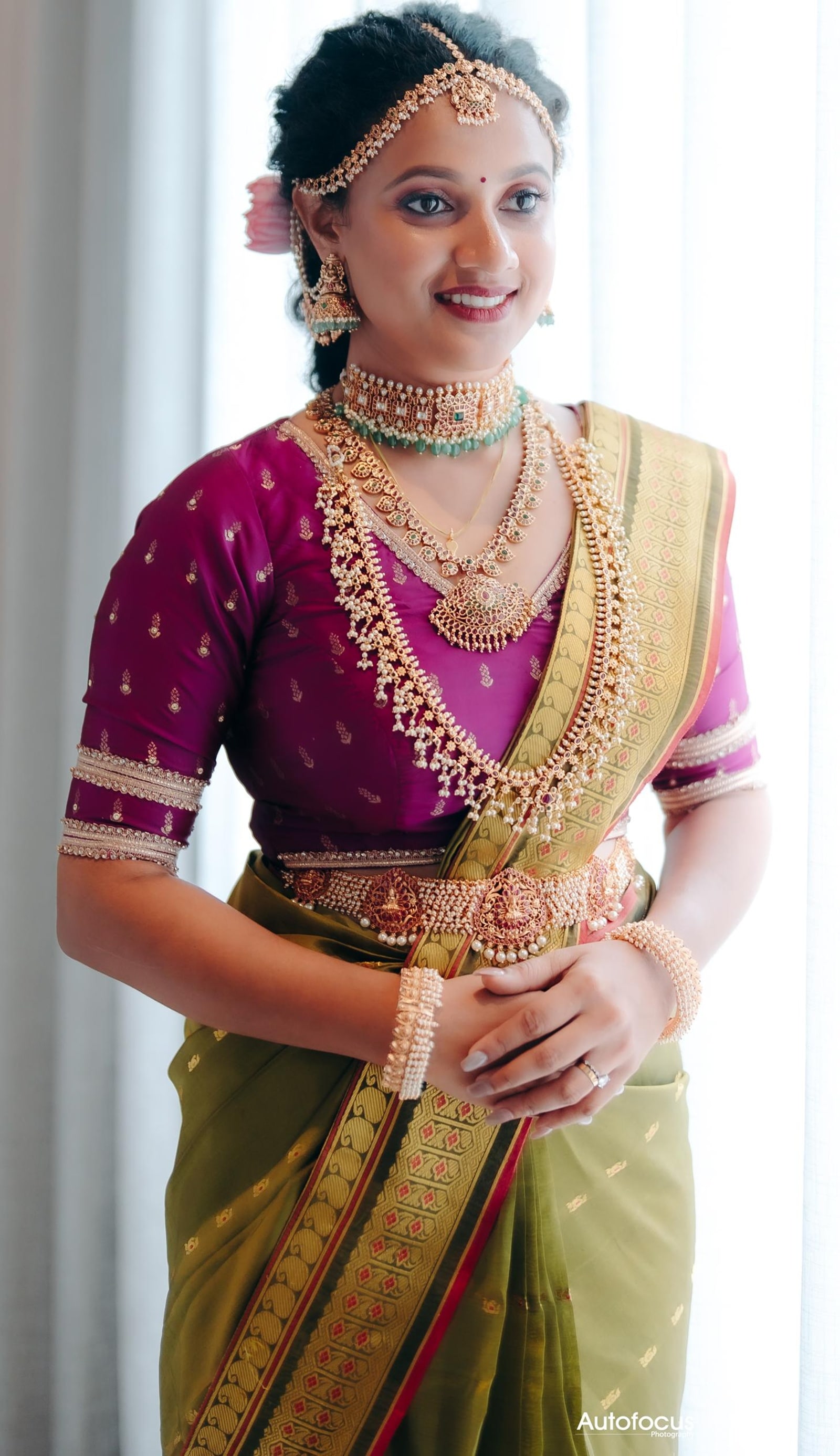
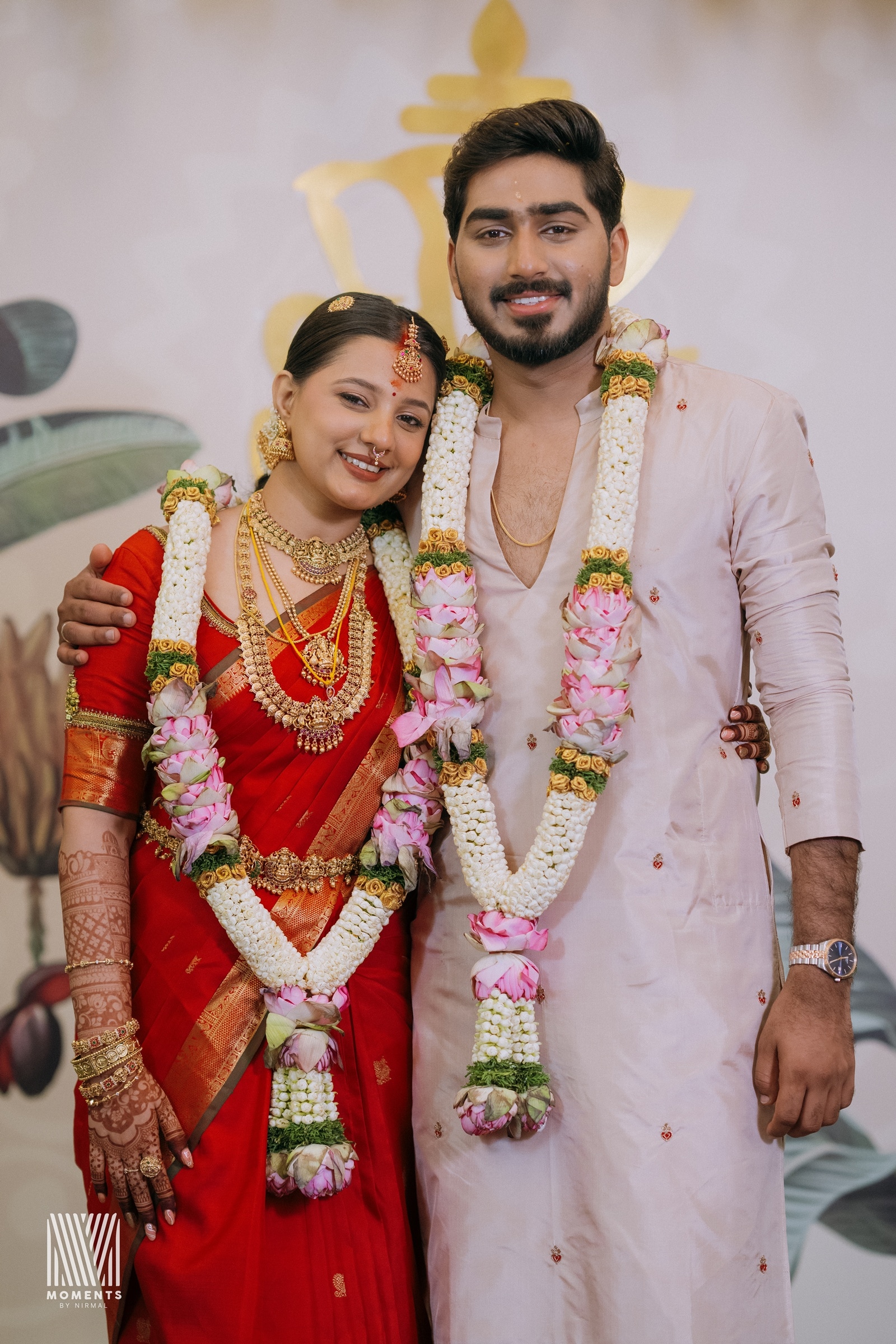
For Basima Shana, 29, a teacher from Kozhikode, who got married in 2021, choosing a no-gold wedding was something she had long decided before her marriage. “I’ve never been someone who enjoys wearing a lot of jewellery, especially gold, even from a young age. So the idea of being adorned in heavy gold ornaments, or treating gold as an essential part of marriage, never really felt right to me,” she said. When she shared this decision, there were different opinions. Some relatives felt that gold is an important part of tradition and suggested I reconsider. But I was clear about what I wanted. “Even my father wasn’t very fond of the custom of heavily adorning the bride with gold just for display,” said Basima.

‘Why burden parents?’
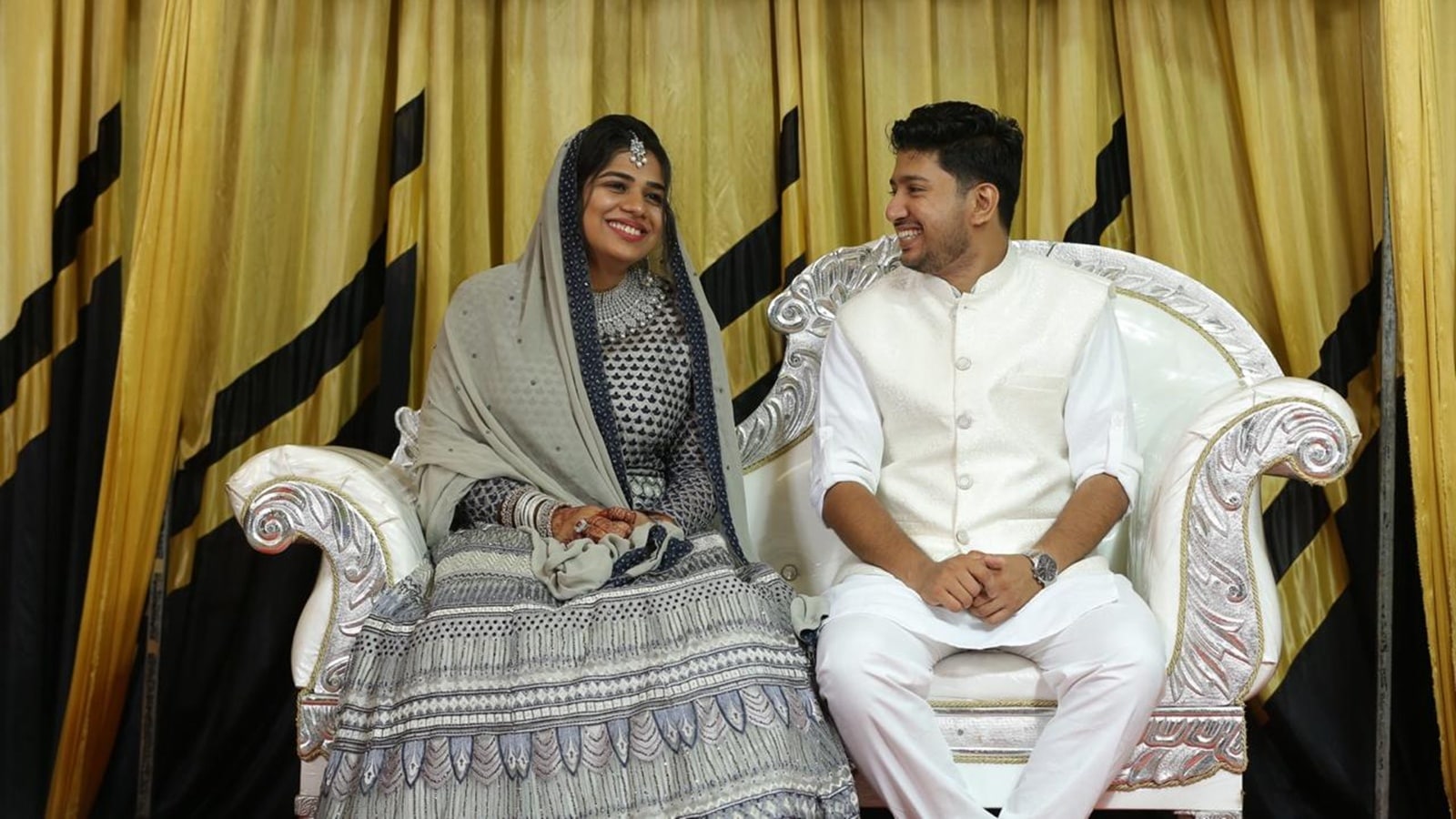
Gouri S Nair, 30, a banking professional from Thiruvalla in Kerala, decided to have a no-gold wedding for several reasons, including financial strain. “I come from a modest family and have two sisters. From a young age, I’ve been aware of how hard my parents worked and how every penny went into our education. They’ve truly done their part, and I didn’t want my marriage to become a financial burden for them. So, I decided not to place that responsibility on my family. My husband and I made this decision together,” said Gouri. With the continuously rising price of gold, she felt it did not make sense to “put myself in debt without considering my financial situation”. “Gold is an investment only when it’s purchased wisely, not when it’s bought through personal loans. The EMIs would affect my future, and I don’t want that financial burden to impact our life together,” said Gouri, who got married in May 2025. According to Gouri, gold is something meant for daily wear without tarnish, so she chose to keep just the mangalsutra and its chain in gold. “Beyond that, I don’t believe gold is a must for a wedding or for married life. If someone has the financial stability, they can choose to invest in gold—but it shouldn’t be tied to marriage or set as a standard, like needing a certain amount just to conduct a wedding,” she expressed.Facing the ‘what will people say’ question
When Sharika Rayaroth and Sidharth Punnachalil began planning their January 2022 wedding, they clearly communicated to both sets of parents that they did not want to purchase gold jewellery to impress. “Initially, they were hesitant, worried about what people might say. However, Sidharth and I stood firm in our decision. He spoke to his family about it, and their response was very supportive. My in-laws said it was entirely my choice and that they had no right to comment on my jewellery, which I truly appreciated,” recalled 29-year-old Sharika.

Gold: a sign of status, sentiment
Gold has never been merely decorative in the Indian wedding context. It has been currency, security, status, and sentiment, often all at once. For generations, the weight of gold worn on a wedding day carried meaning that went well beyond aesthetics, and which is what makes the quiet but growing shift away from it so noteworthy. “For many of these couples, the decision is partly financial and partly philosophical. Gold-heavy weddings have long been associated with display, a performance of family prosperity directed as much at guests as at the couple themselves. Younger couples, increasingly bearing the cost of their own weddings or pushing back against family-driven excess, are separating what is personally meaningful from what is socially expected. Gold, in many cases, falls into the latter category,” reflected Dr Chandni Tugnait, MD (A.M) psychotherapist, coach and healer, founder and director, Gateway of Healing. Peculiarly, many of these are South Indians. So, is it really restricted to a region? It could be because traditional South Indian bridal looks are typically associated with heavy gold jewellery, making its absence more noticeable. But it’s not a South Indian trend. “It’s a broader mindset change. South India is just one place where the contrast is more noticeable,” said financial expert Hardeep Singh Virdi, founder of Capital Financial Distributors. Dr Sreekutty remarked, “It might look more visible in South India because gold has traditionally been a very strong part of weddings here…so choosing no gold stands out more. But the idea itself isn’t limited to any one region. Across India, more couples are questioning practices like dowry and heavy jewellery expectations. This shift is being driven by education, financial awareness, and a desire for more equal, meaningful relationships.”‘It’s still a niche, not mainstream’
Dr Tugnait noted that for previous generations, gold given at weddings was a woman’s financial safety net, a portable, liquid asset she could access independently. “That logic, while not irrelevant, carries less weight for women who are financially independent and less likely to view marriage as an economic arrangement requiring a backup. When the original function changes, the surrounding symbol naturally loosens its meaning,” said Dr Tugnait. Concurring that traditionally, gold is deeply embedded in Indian weddings as a sign of wealth and status, Virdi noted that reducing or eliminating gold to avoid financial burden is the beginning of a mindset shift rather than a mass trend. Basima mentioned that her choice was also about something beyond personal preference. “I felt that if more people moved away from this expectation, it could reduce the pressure on families who find it difficult to arrange gold for weddings. If it becomes more accepted, it could make weddings simpler and more meaningful,” said Basima.Gold redefined: ETFs, digital gold
According to Virdi, jewellery itself is shifting to statement or symbolic pieces instead of heavy sets. “We are slowly seeing a new wave of weddings where couples are choosing meaning over material. While gold has always symbolised security, tradition and status in Indian weddings, the younger generation is beginning to question ‘how much is enough’ and surely not at the cost of peace or burden. There’s a broader move toward personalised, minimalist weddings with selected guests and budgeted spend. “For some, it’s about simplicity and personal expression; for others, it’s a conscious financial decision—not locking large capital into jewellery that may rarely be used. That said, this is still a small but growing shift.” Gold hasn’t lost its emotional or cultural relevance — it’s just being redefined. “The real trend is ‘no gold’, no pressure’. From a financial perspective, the even younger lot who can afford gold is buying digital gold or through ETFs (Exchange Traded Funds) or mutual funds,” Virdi asserted. Dr Tugnait is of the opinion that gold is not disappearing from Indian weddings. “For much of the country, it remains deeply embedded in both ritual and practicality. But the fact that its absence is now a considered choice rather than a financial constraint says something real about where the conversation around weddings, and the expectations layered into them, is beginning to move,” said Dr Tugnait.The articles, news features, interviews, quotes, and media content displayed on this page are the property of their respective publishers and media houses. All such materials have been sourced from publicly available online platforms where our name, views, or contributions have been referenced, quoted, or featured.
Gateway of Healing / Dr. Chandni Tugnait / Others (as applicable) does not claim ownership over any external media content reproduced or linked here. The purpose of displaying these articles is solely for informational use, record-keeping, and to acknowledge media mentions related to our work.
Full credit for authorship, editorial content, and intellectual property rights belongs to the original publishers, journalists, and media organizations.
If any publisher or rights holder wishes to request modification, updated attribution, or removal of any content featured on this website, they may contact us at info@gatewayofhealing.com, and we will take appropriate action promptly.
Read the Article on Author's webpage - CLICK HERE


