


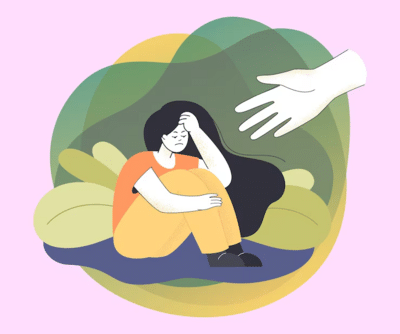
Somewhere along the way, life started feeling like a checklist with deadlines attached to it. Study by a certain age. Build a career quickly. Earn well. Find a partner. Get married. Have children. Buy a house. Keep progressing. Keep achieving. Keep moving.
The strange part is that nobody officially hands this timeline to us. Yet most people grow up absorbing it through family conversations, social expectations, movies, peer pressure, and now, social media. Dr Tugnait explains that many people don’t even realise how deeply this “pressure timeline” shapes their thinking until they start feeling anxious for not meeting it on time.
Comparison has always existed. But social media has made it constant, visual, and almost impossible to avoid. Years ago, you may have casually heard that a friend got engaged or landed a new job. Today, you experience it through curated vacation photos, engagement shoots, promotion posts, aesthetic celebration reels, and captions about “dreams coming true.”
Dr Tugnait points out that social media often turns life updates into performances, even unintentionally. And when people scroll through dozens of these moments daily, it can begin to feel like everyone else is moving ahead while they are standing still.
The problem is that social media rarely shows confusion, delays, failures, loneliness, or uncertainty with the same intensity. People usually post the polished highlights, not the messy middle.
But emotionally, the brain still compares your everyday reality to someone else’s carefully selected best moments.
The Fear Of Being BehindOne of the hardest parts about comparison anxiety is that many people experiencing it are not actually failing. They may have stable jobs, meaningful friendships, supportive families, or personal growth happening quietly in the background.
Yet they still feel unsettled because their progress doesn’t look dramatic or visible enough compared to others. Dr Tugnait says the fear often comes from the gap between where someone currently is and where they imagined they “should” have been by now. That’s why even successful people can feel deeply insecure while watching others online. The pressure isn’t always about wanting more. Sometimes it’s simply about feeling late.
When Self-Worth Starts Depending On MilestonesOver time, constant comparison can slowly change how people define success and happiness. Instead of asking, Am I fulfilled? Many begin asking, Am I doing better than everyone else?
That shift can be emotionally exhausting because there will always be someone earning more, achieving faster, travelling further, or reaching another milestone first. The goalpost keeps moving endlessly.
Dr Tugnait explains that this is where comparison culture becomes dangerous. Personal values slowly get replaced by external validation. Life begins to feel like a race where nobody fully knows the destination, but everyone is terrified of falling behind.
The Truth About TimelinesOne of the most important things to remember is that the “perfect timeline” most people compare themselves to is largely built from outside pressure. Family expectations, cultural ideas of success, and social media all shape what people think life is supposed to look like. But according to Dr Tugnait, progress was never meant to look identical for everyone.
Some people build careers later. Some find love later. Some change paths completely. Some take pauses. Some move faster in one area of life and slower in another. And none of that automatically means they are failing.
Real growth often happens quietly, without applause, without viral announcements, and without perfectly filtered photographs.
The challenge today is learning to separate your own life from the endless noise of everyone else’s timelines. Because the moment self-worth becomes fully dependent on comparison, even achievements stop feeling enough.
The articles, news features, interviews, quotes, and media content displayed on this page are the property of their respective publishers and media houses. All such materials have been sourced from publicly available online platforms where our name, views, or contributions have been referenced, quoted, or featured.
Gateway of Healing / Dr. Chandni Tugnait / Others (as applicable) does not claim ownership over any external media content reproduced or linked here. The purpose of displaying these articles is solely for informational use, record-keeping, and to acknowledge media mentions related to our work.
Full credit for authorship, editorial content, and intellectual property rights belongs to the original publishers, journalists, and media organizations.
If any publisher or rights holder wishes to request modification, updated attribution, or removal of any content featured on this website, they may contact us at info@gatewayofhealing.com, and we will take appropriate action promptly.
Read the Article on Author's webpage - CLICK HERE