



Youth gets recorded more vividly
Dr Chandni highlighted that memories formed during the teenage years and early 20s are encoded with unusual clarity compared to almost any other period of life, largely because this is when you are still building your identity. As more years pile up after that window closes, that especially vivid stretch keeps standing out in sharp contrast against everything that follows, which is why it keeps resurfacing so strongly decades later.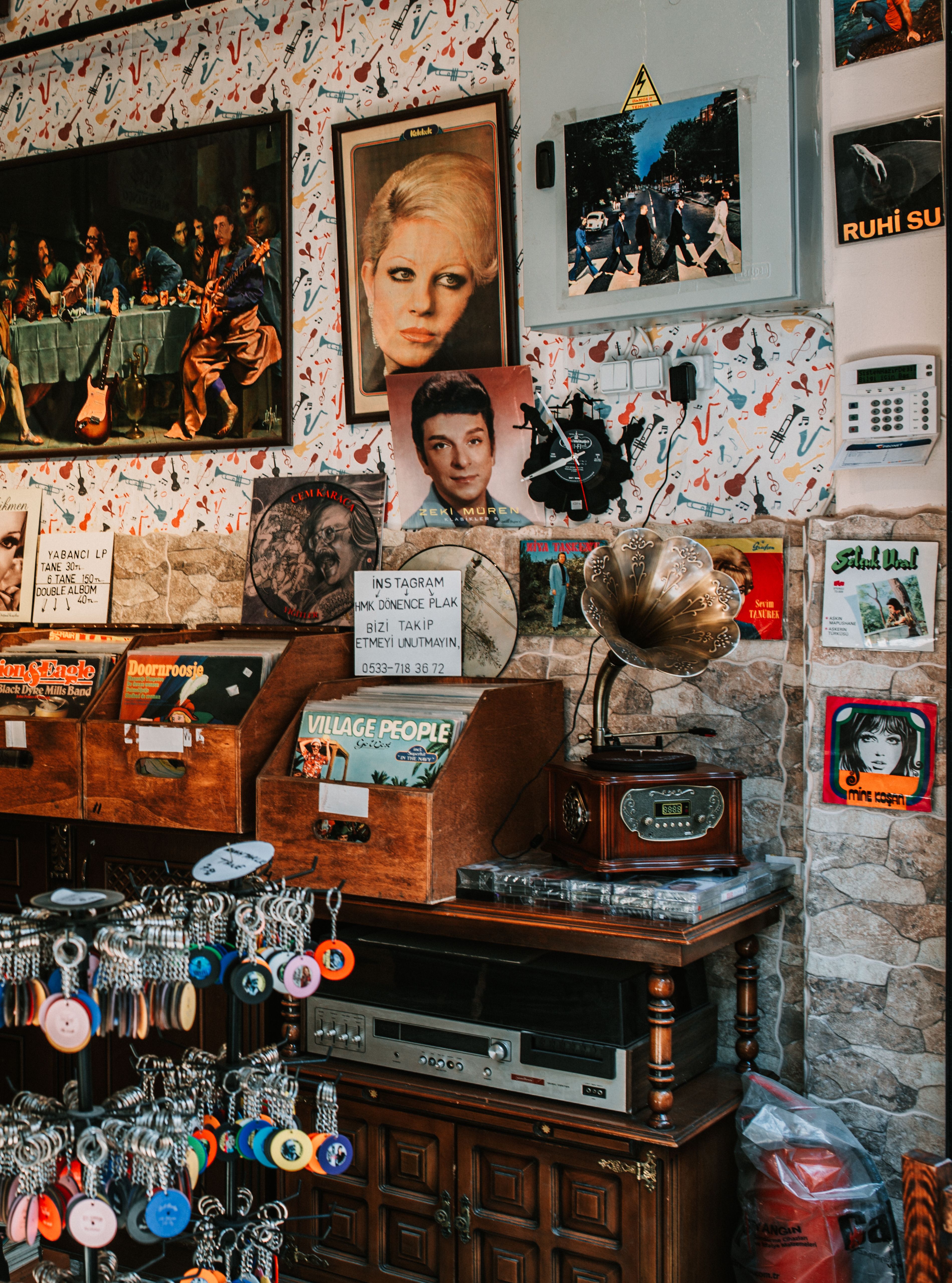 People reach for nostalgic memories more often during periods of loneliness, boredom, or general difficulty. (Pexel)
Stress makes nostalgia useful
“People reach for nostalgic memories more often during periods of loneliness, boredom, or general difficulty, since revisiting a warm memory genuinely improves mood in the moment,” highlighted Dr Chandni. As adult life accumulates more responsibility and complexity with age, there are simply more difficult days that quietly send people searching backward for comfort.The past keeps getting rewritten
“Nostalgia isn’t a perfect replay of what actually happened,” said Dr Chandni. With each passing year, old memories get quietly reshaped to fit the story someone currently wants to tell about who they’ve become. That editing process intensifies with age, which is part of why older memories can feel more meaningful now than they did closer to when they actually occurred.
More years means more triggers
According to Dr Chandni, a particular song, smell, or street corner can only pull you back if enough time has passed for it to become attached to something meaningful. Simply by living longer, people accumulate a steadily growing catalogue of these sensory landmines, which is why nostalgic moments seem to ambush people more often the older they get. “None of this means dwelling on the past is unhealthy. Nostalgia, used well, tends to leave people feeling more connected to who they are, not less. It just gets louder with time, because there’s simply more of your own history left to bump into,” concluded Dr Chandni.The articles, news features, interviews, quotes, and media content displayed on this page are the property of their respective publishers and media houses. All such materials have been sourced from publicly available online platforms where our name, views, or contributions have been referenced, quoted, or featured.
Gateway of Healing / Dr. Chandni Tugnait / Others (as applicable) does not claim ownership over any external media content reproduced or linked here. The purpose of displaying these articles is solely for informational use, record-keeping, and to acknowledge media mentions related to our work.
Full credit for authorship, editorial content, and intellectual property rights belongs to the original publishers, journalists, and media organizations.
If any publisher or rights holder wishes to request modification, updated attribution, or removal of any content featured on this website, they may contact us at info@gatewayofhealing.com, and we will take appropriate action promptly.
Read the Article on Author's webpage - CLICK HERE