

Close Menu
    Facebook X (Twitter) Instagram
    Friday, October 16
    Facebook X (Twitter) LinkedIn VKontakte
    chandnitugnaitinnews
    Banner
    • Home
    • Media Presence
    • Mind & wellness
      • Cognitive Health
      • Mental Health
    • Family & Friends
      • Family
      • Friends
    • Relationship
      • Connection & Care
      • Love & Bonding
    • Well Being
      • Life
      • Positivity
    • Workplace
      • Career
      • Workplace
    • contact us
    chandnitugnaitinnews
    Home » 7 Simple Ways to Calm Yourself When You’re Stressed

    7 Simple Ways to Calm Yourself When You’re Stressed

    Reproduced only for reference to articles mentioning our name. All rights remain with the original publisher.

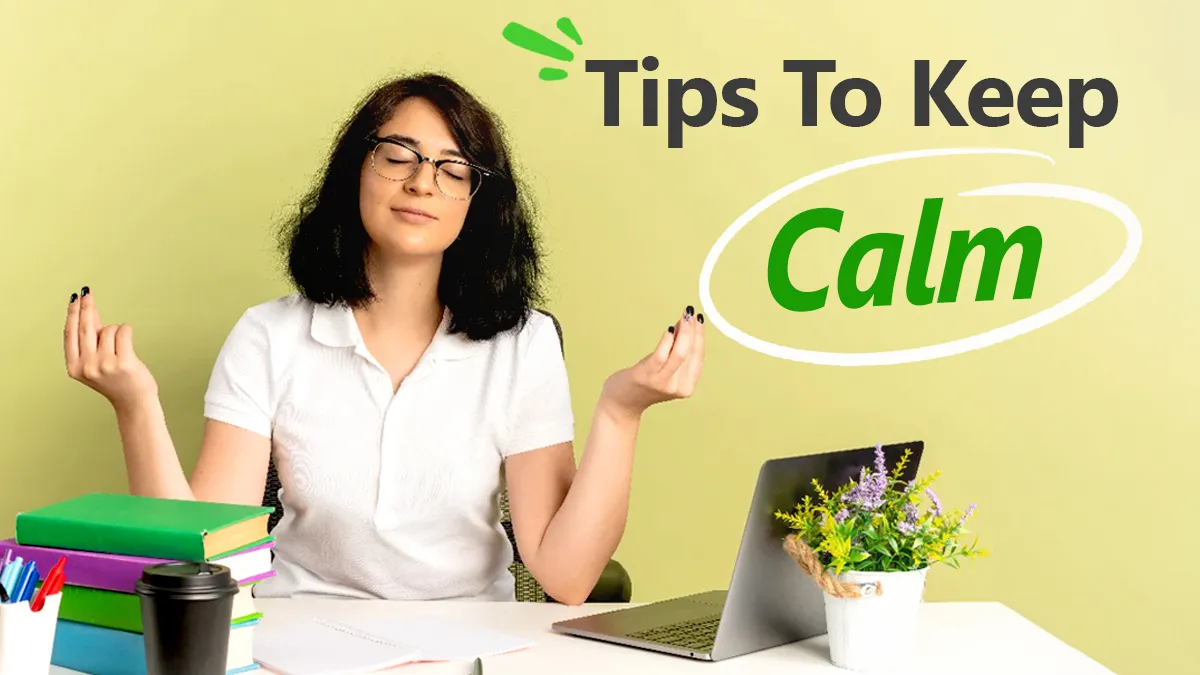
    Stress is an inevitable part of life. Sadly, it may overwhelm some people, leading to chronic stress. So, before it takes over your everyday life, here are some tips to calm yourself down.
    Only My HealthOnly My Health Mental Health September 16, 20265 Mins Read2 Views
    Share Facebook Twitter Pinterest LinkedIn Tumblr Email WhatsApp
    Share
    Facebook Twitter LinkedIn Pinterest Email
    Stress can make everything feel more difficult. Your thoughts may start racing, your body can feel tense and even small problems may seem harder to handle. When this happens, trying to solve everything at once can make you feel even more overwhelmed. The first step is to calm your body and mind before deciding what to do next. According to Dr Chandni Tugnait, Psychotherapist, founder, and Director of Gateway of Healing, you do not always need a complicated routine. A few simple habits can help you feel more settled when stress starts taking over.

    1. Take slow, deep breaths

    When you are stressed, your breathing can become faster and shallower. According to a study published in thejournal ‘Scientific Reports’, deliberately slowing it down can help you pause and bring your attention back to the present moment.
    Sit comfortably and breathe in slowly through your nose. Then breathe out gently and slowly. Continue for a few minutes, focusing on the movement of your breath rather than the thoughts in your head. You do not need to follow a complicated breathing technique. The aim is simply to make your breathing slower and more controlled.

    2. Step away for a few minutes

    When your mind is overloaded, continuing to work or think about the same problem may not help. Give yourself a short break instead. in-calm-downin-calm-down Move away from your desk, put your phone down, or leave the room for a few minutes. Stretch, walk around, or simply sit somewhere quiet.
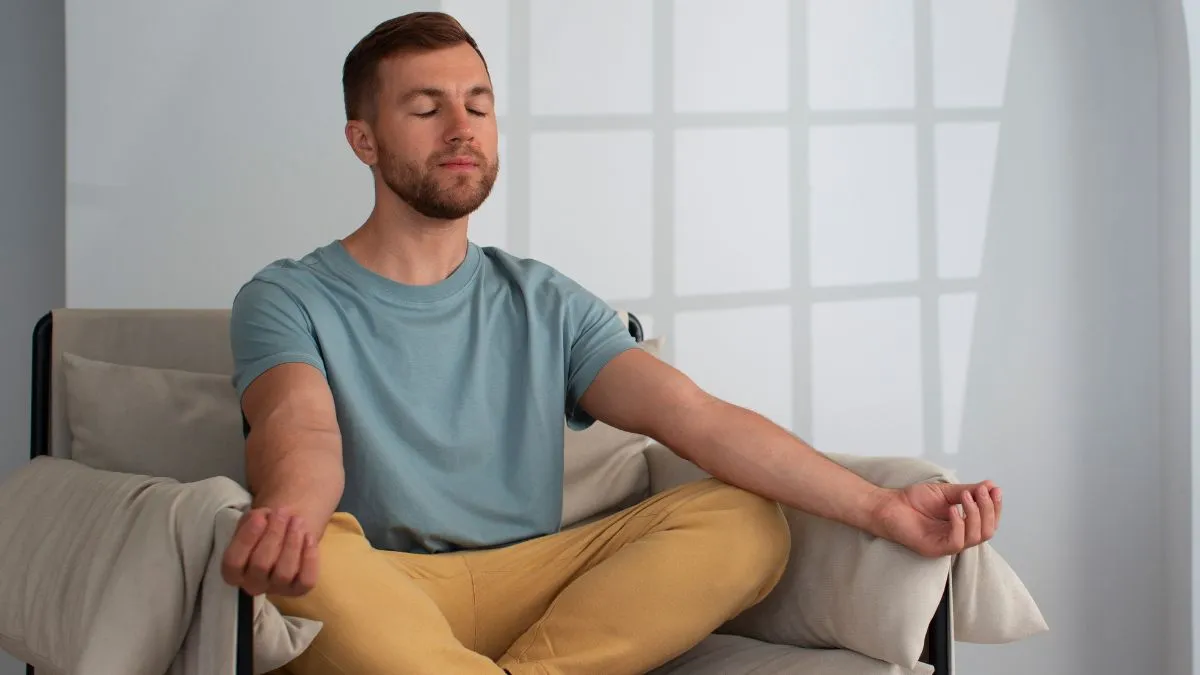
    A short pause can create some distance between you and the situation causing stress. When you return, you may find it easier to think clearly and decide what needs to be done first.

    3. Relax your body

    Stress does not only affect your thoughts. It can also make your muscles tense, particularly around your shoulders, neck and jaw. Take a moment to notice where you are holding tension. Drop your shoulders, unclench your jaw, and relax your hands. You can also gently stretch your neck, shoulders, and back.
    Another option is progressive muscle relaxation. This involves briefly tensing and then relaxing different muscle groups, helping you notice the difference between tension and relaxation.

    4. Focus on one thing at a time

    A long list of unfinished tasks can make stress feel bigger. Instead of thinking about everything that needs to be done, choose one manageable task. Ask yourself: What is the one thing I need to deal with right now?
    Complete that task before moving to the next one where possible. Breaking a stressful situation into smaller steps can make it feel more manageable. If something cannot be dealt with immediately, write it down rather than repeatedly thinking about it. Putting your thoughts on paper can help clear some mental space.

    5. Go for a short walk

    A study published in the International Journal of Mental Health Promotion, conducted on college students, shows that physical movement can be a useful way to release some of the tension that builds up during stressful periods.
    You do not need an intense workout. A gentle walk around your home, workplace, or outside can give you a change of surroundings and a chance to step away from stressful thoughts. Try to pay attention to what you can see and hear around you instead of replaying the problem in your mind. Even a short period of movement can provide a useful mental break.

    6. Reduce what is adding to the stress

    Sometimes the quickest way to feel calmer is to remove some of the stimulation around you. If emails, social media, or notifications are making you feel more overwhelmed, switch them off for a while. If several people are asking for your attention, tell them you need a few minutes before responding.
    You do not have to react to every message or solve every problem immediately. Creating a little quiet time can help your mind settle.

    7. Talk to someone you trust

    Stress can become heavier when you keep everything to yourself. Speaking to someone you trust can help you feel supported and may give you another perspective.
    You do not always need advice. Sometimes simply explaining what is bothering you can make the situation feel less overwhelming. If you find yourself regularly feeling unable to cope, talk to a mental health professional or doctor. Persistent stress that affects your sleep, mood, work, or relationships deserves attention.
    Final Word: What to remember when stress hits You do not have to make the stress disappear immediately. The goal is to bring the intensity down enough to think and respond more calmly. Try taking a few slow breaths, stepping away, relaxing your body, focusing on one task, taking a short walk, reducing distractions, or talking to someone you trust.
    The most useful approach is the one you can actually use when you need it. Keeping one or two calming techniques as part of your everyday routine can also make them easier to reach for when a stressful moment arrives.

    FAQ

    • What drink calms anxiety?

      Chamomile tea is considered the most effective drink to reduce stress and manage anxiety.
    • What relaxes the brain the most?

      Slow and deep breathing, meditation, and relaxation techniques help lower stress hormones and relax the brain.

    The articles, news features, interviews, quotes, and media content displayed on this page are the property of their respective publishers and media houses. All such materials have been sourced from publicly available online platforms where our name, views, or contributions have been referenced, quoted, or featured.

    Gateway of Healing / Dr. Chandni Tugnait / Others (as applicable) does not claim ownership over any external media content reproduced or linked here. The purpose of displaying these articles is solely for informational use, record-keeping, and to acknowledge media mentions related to our work.

    Full credit for authorship, editorial content, and intellectual property rights belongs to the original publishers, journalists, and media organizations.

    If any publisher or rights holder wishes to request modification, updated attribution, or removal of any content featured on this website, they may contact us at info@gatewayofhealing.com, and we will take appropriate action promptly.

    Read the Article on Author's webpage - CLICK HERE

      Leave a comment

      Your email address will not be published. Required fields are marked *

      Anxiety and stress emotional wellbeing Lifestyle wellbeing Mental Health Mental wellness Mindfulness self care Stress Management
      Share. Facebook Twitter Pinterest LinkedIn Tumblr Email
      Previous Articleक्यों वक्त के साथ बढ़ता है पार्टनर्स के बीच अट्रैक्शन? जानें 4 कारण

      Reproduced only for reference to articles mentioning our name. All rights remain with the original publisher.

      Next Article Paedophilia, stalking, abuse: What kidfluencers pay to make money online

      Reproduced only for reference to articles mentioning our name. All rights remain with the original publisher.

      Related Posts

      From concert tickets to weekend getaways: Why young indians are spending more on experiences than things

      Reproduced only for reference to articles mentioning our name. All rights remain with the original publisher.

      October 12, 2026

      Why do we feel awkward when someone compliments us? Psychotherapist explains why we struggle to accept praise

      Reproduced only for reference to articles mentioning our name. All rights remain with the original publisher.

      October 11, 2026

      Workplace to brand culture: Can employees’ mental health become part of a company’s public identity?

      Reproduced only for reference to articles mentioning our name. All rights remain with the original publisher.

      October 11, 2026

      Comments are closed.

      Archives
      Recent Posts
      • From concert tickets to weekend getaways: Why young indians are spending more on experiences than things

        Reproduced only for reference to articles mentioning our name. All rights remain with the original publisher.

        October 12, 2026
      • Why do we feel awkward when someone compliments us? Psychotherapist explains why we struggle to accept praise

        Reproduced only for reference to articles mentioning our name. All rights remain with the original publisher.

        October 11, 2026
      • Workplace to brand culture: Can employees’ mental health become part of a company’s public identity?

        Reproduced only for reference to articles mentioning our name. All rights remain with the original publisher.

        October 11, 2026
      • How Beauty Advertising Influences Body Image: Dr Chandni Tugnait Explains Hidden Cost Of Chasing Perfection

        Reproduced only for reference to articles mentioning our name. All rights remain with the original publisher.

        October 11, 2026
      • Why has being busy become a status symbol? Psychotherapist explains our obsession with staying productive

        Reproduced only for reference to articles mentioning our name. All rights remain with the original publisher.

        October 10, 2026
      Dr. Chandni Tugnait is the founder of Gateway of Healing, a TEDx speaker, Relationship Expert – Tinder India, NeuroEnergetic Transformation Coach, Psychotherapist, Life Coach, Business Coach, NLP Expert, and Healer. Over the past 15 years, she has transformed lives of more than 50,000 individuals through her work. Featured in over 500 leading media publications, Dr. Chandni is recognized for her expertise in mental health, personal growth, and relationships. Her mission is to empower people to achieve success and well-being through the alignment of energy, mindset and action.
      About

      This website includes recreated content derived from Dr. Chandni’s media features. All original rights & credits belong to the respective publication or media house.

      Facebook X (Twitter) Instagram YouTube LinkedIn
      Copyright © 2026 . Designed by Redcube Digital Media Pvt. Ltd, . This website includes recreated content derived from Dr. Chandni’s media features. All original rights & credits belong to the respective publication or media house.

      Type above and press Enter to search. Press Esc to cancel.