


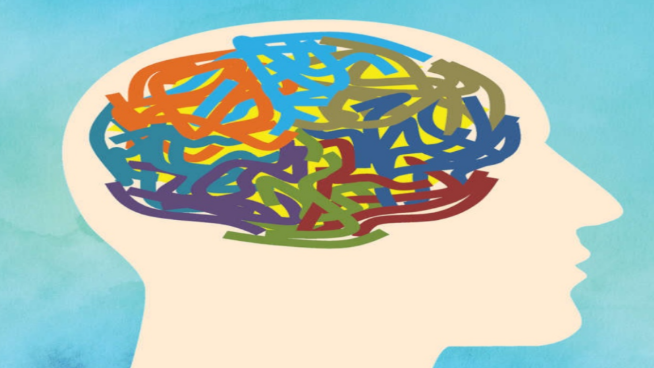
Obsessive-compulsive disorder or OCD is a mental health condition that affects people of all ages. It is characterised by intrusive thoughts and repetitive behaviours. While it can be debilitating, there are treatments available that can help people manage their symptoms. Its symptoms can vary from person to person, but usually involve repetitive and intrusive thoughts, impulses, or images (known as obsessions) that lead to distress and anxiety. Such people often feel the need to perform certain rituals or behaviours (known as compulsions) to try and relieve their distress or to alleviate the anxiety caused by the obsessions. For some people, this disorder can be mild and manageable, but for others, it can be extremely debilitating.
If you’re struggling with this disorder, you’re not alone. It is a common, but often misunderstood mental health condition that can cause significant distress and disruption in your life. There are different types of OCD, but all involve having persistent and unwanted thoughts, feelings or impulses (obsessions) that lead you to engage in repetitive and often ritualistic behaviours (compulsions). These obsessions and compulsions can be extremely time-consuming and interfere with one’s ability to live a normal life. This disorder can manifest in many different ways, but some of the most common ones include excessive hand-washing or cleaning, rumination (obsessively thinking about something), hoarding, and cross-checking (e.g., repeatedly checking that the stove is turned off). People with this disorder often have difficulty completing tasks because of their compulsions, and they may avoid certain situations or places altogether out of fear of triggering their obsessions.
MANAGE SYMPTOMS
Seek professional help: A therapist who specialises in treating OCD can help you to understand your condition and to develop a plan for managing your symptoms. In addition, there are many helpful self-help resources available, including books, websites, and support groups. You don’t have to suffer from this disorder in silence; reach out for help and start taking steps towards recovery today. However, it’s important to remember that everyone experiences OCD differently, and what works for one person may not work for another. If you or someone you know is struggling with OCD, it’s important to reach out to a mental health professional for help. There is no one-size-fits-all approach to treatment, but many people with this disorder find relief through therapy, medication, or a combination of both. If you think you might be struggling with OCD, it’s important to speak to a mental health professional who can help you get the support and treatment you need.
TREATMENT
The vast majority of people with OCD are treated with a combination of medication and cognitive-behavioural therapy (CBT). Alternative therapies can also be used to help reduce the symptoms of this disorder, while CBT is designed to help patients identify and change the thoughts and behaviours that contribute to their disorder. In some cases, other types of therapies, such as exposure therapy & response prevention, may also be used.
Most patients can effectively manage their symptoms with treatment. And for many people, treatment can lead to a significant reduction in the severity of their disorder. So if you or someone you know is struggling with it, know that there is hope—and help is available. It is a treatable condition, but the sooner you get treatment, the better. If you’re struggling with this disorder, there are many things you can do to help yourself.
Here are some tips:
- Educate yourself: The more you know about OCD, the better equipped you’ll be to deal with it.
- Be patient with yourself: Recovery can take time, so it’s important to be patient and consistent in your self-care.
- Develop a support system: Having friends or family members who understand and support your recovery can make a big difference.
- Avoid avoidance: It might seem counterintuitive, but avoidance only reinforces your fears and can make this disorder worse.
- Stick to your treatment plan: Recovery takes time and effort, but it’s worth it. Treatment usually involves some combination of medication, therapy, and self-care.
If you think you might have OCD, don’t hesitate to seek professional help. Early diagnosis and treatment can make a big difference in your recovery.
Dr Chandni Tugnait is a Psychotherapist, Life Coach, Business Coach, NLP Expert, Healer, Founder & Director of Gateway of Healing.
The articles, news features, interviews, quotes, and media content displayed on this page are the property of their respective publishers and media houses. All such materials have been sourced from publicly available online platforms where our name, views, or contributions have been referenced, quoted, or featured.
Gateway of Healing / Dr. Chandni Tugnait / Others (as applicable) does not claim ownership over any external media content reproduced or linked here. The purpose of displaying these articles is solely for informational use, record-keeping, and to acknowledge media mentions related to our work.
Full credit for authorship, editorial content, and intellectual property rights belongs to the original publishers, journalists, and media organizations.
If any publisher or rights holder wishes to request modification, updated attribution, or removal of any content featured on this website, they may contact us at info@gatewayofhealing.com, and we will take appropriate action promptly.
Read the Article on Author's webpage - CLICK HERE