

Close Menu
    Facebook X (Twitter) Instagram
    Monday, August 31
    Facebook X (Twitter) LinkedIn VKontakte
    chandnitugnaitinnews
    Banner
    • Home
    • Media Presence
    • Mind & wellness
      • Cognitive Health
      • Mental Health
    • Family & Friends
      • Family
      • Friends
    • Relationship
      • Connection & Care
      • Love & Bonding
    • Well Being
      • Life
      • Positivity
    • Workplace
      • Career
      • Workplace
    • contact us
    chandnitugnaitinnews
    Home » Work From Home Vs Office: Which Work Culture Is Actually Worse For Your Health?

    Work From Home Vs Office: Which Work Culture Is Actually Worse For Your Health?

    Reproduced only for reference to articles mentioning our name. All rights remain with the original publisher.

    The article compares the health impact of remote and office work, focusing on workplace wellbeing, stress, sedentary lifestyles, productivity, and work-life balance. Read More.
    Miss MaliniMiss Malini Mind & wellness May 24, 20264 Mins Read1 Views
    Share Facebook Twitter Pinterest LinkedIn Tumblr Email WhatsApp
    Share
    Facebook Twitter LinkedIn Pinterest Email
    The debate around working from home versus working from the office usually focuses on productivity, work-life balance, or flexibility. But according to Dr Chandni Tugnait, MD (A.M), Psychotherapist, Life Alchemist, one important aspect often gets ignored completely, the impact both work styles are having on our physical and mental health. Whether people are sitting at office desks or working from their beds and dining tables at home, modern work culture is quietly affecting the body in ways many do not immediately notice. From posture problems and poor eating habits to eye strain, stress, and constant mental fatigue, both work environments come with their own set of health concerns. Dr Tugnait explains that while the location may change, the stress on the body often remains the same. Long working hours, constant screen exposure, and the pressure to stay available all day are slowly becoming a major health concern for working professionals.

    The Always Available Work Culture Is Exhausting The Body

    One of the biggest problems linked to both office and work-from-home setups is the expectation to always stay connected. Emails, messages, meetings, and work notifications continue throughout the day, and often even after work hours end.
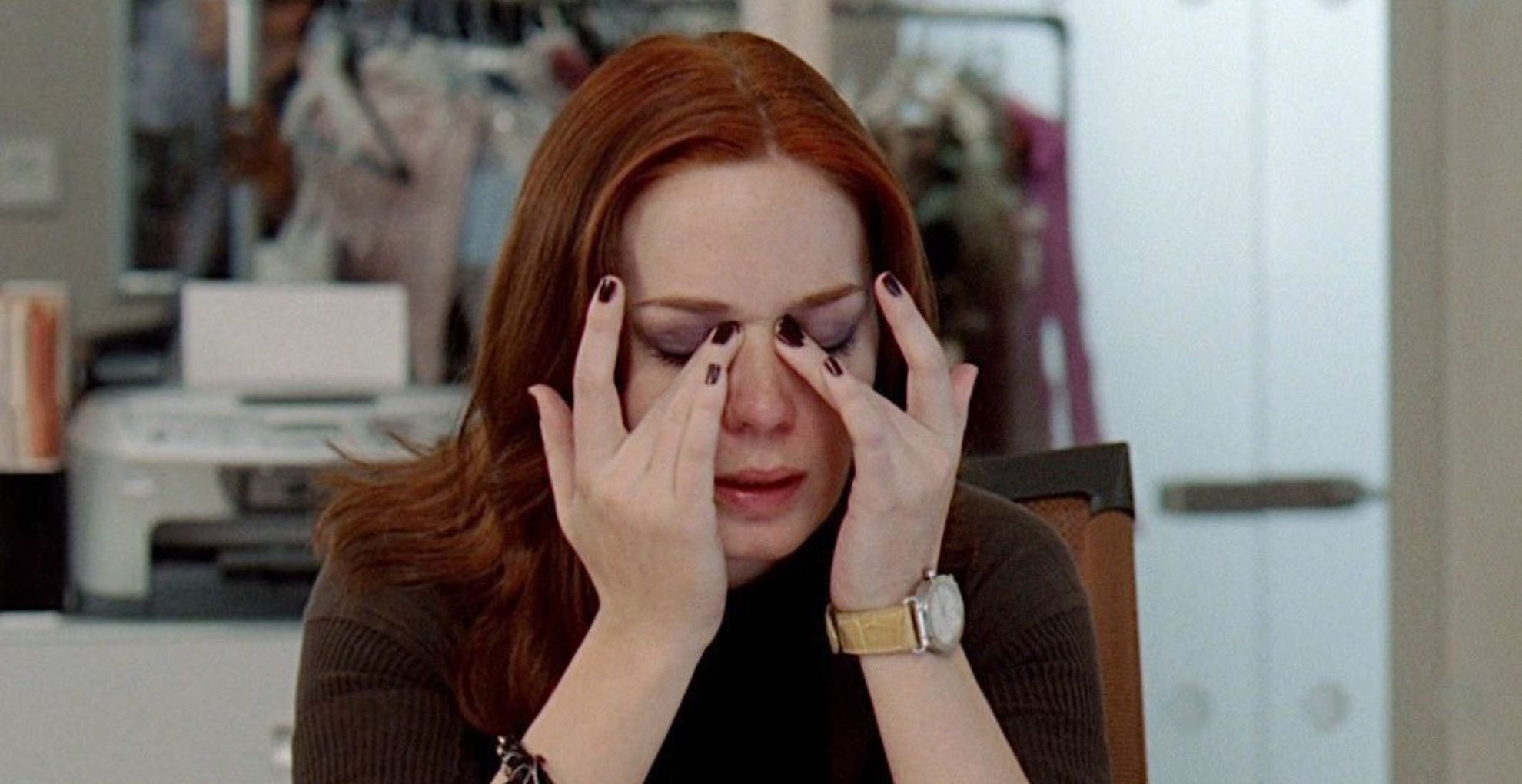
    via GIPHY According to Dr Chandni Tugnait, this constant pressure keeps the nervous system in a prolonged state of stress. Many people unknowingly carry tension in their shoulders, neck, jaw, and back for hours at a time. Over months and years, this ongoing stress can lead to fatigue, headaches, muscle stiffness, anxiety, poor sleep, and even burnout. Even if someone is physically sitting at home, their body may still remain mentally “on alert” throughout the day.

    Eating Habits Have Changed In Both Work Culture Setups

    Both office and home working environments have also changed people’s relationship with food. In offices, employees often skip meals because of busy schedules or long meetings, only to overeat later. On the other hand, people working from home may snack constantly simply because food is always nearby. via GIPHY Dr Tugnait says that stress eating, irregular meal timings, and distracted eating habits can affect digestion, metabolism, and energy levels over time. Many people no longer eat according to hunger, but according to stress, boredom, or work pressure.

    Screen Time Is Damaging Eye Health

    Another major issue affecting both office workers and remote employees is excessive screen exposure. Most professionals today spend nearly their entire day staring at laptops, phones, or tablets. This can lead to eye strain, headaches, blurry vision, dry eyes, and sleep problems. However, people working from home may sometimes experience even less movement during the day compared to office workers. In offices, employees usually walk between meeting rooms, desks, or departments, while remote workers can remain seated in the exact same position for hours. Dr Chandni Tugnait explains that the lack of movement and constant close-range screen focus can increase physical strain on both the eyes and body.
    via GIPHY

    Indoor Air Quality Also Affects Health

    Air quality is another overlooked factor when discussing modern workspaces. Office buildings often rely on central air-conditioning systems that continuously recirculate indoor air. Meanwhile, homes may also have poor ventilation, dust, cooking fumes, or hidden mould problems. According to Dr Tugnait, spending eight or more hours daily in poorly ventilated environments can quietly affect respiratory health, energy levels, and overall well-being over time.

    So, Which Work Culture Is Worse?

    The truth is, neither work-from-home nor office culture is completely healthy when work habits themselves remain unhealthy. Dr Chandni Tugnait believes the bigger issue is not where people work, but how modern work culture has normalised sitting for long hours, constant stress, poor boundaries, and lack of physical recovery. Whether the desk is at home or inside an office building, the body is still carrying the effects of long screen hours, mental pressure, and reduced movement every single day

    The articles, news features, interviews, quotes, and media content displayed on this page are the property of their respective publishers and media houses. All such materials have been sourced from publicly available online platforms where our name, views, or contributions have been referenced, quoted, or featured.

    Gateway of Healing / Dr. Chandni Tugnait / Others (as applicable) does not claim ownership over any external media content reproduced or linked here. The purpose of displaying these articles is solely for informational use, record-keeping, and to acknowledge media mentions related to our work.

    Full credit for authorship, editorial content, and intellectual property rights belongs to the original publishers, journalists, and media organizations.

    If any publisher or rights holder wishes to request modification, updated attribution, or removal of any content featured on this website, they may contact us at info@gatewayofhealing.com, and we will take appropriate action promptly.

    Read the Article on Author's webpage - CLICK HERE

      Leave a comment

      Your email address will not be published. Required fields are marked *

      Lifestyle wellbeing Mental Health Awareness Mental wellness Office Culture Stress Management Work From Home Work-Life Balance Workplace Mental Health
      Share. Facebook Twitter Pinterest LinkedIn Tumblr Email
      Previous ArticleWhy Do You Get More Panic Attacks at Night? Understanding The Triggers

      Reproduced only for reference to articles mentioning our name. All rights remain with the original publisher.

      Next Article Detachment As A Coping Mechanism: Is Protecting Yourself Emotionally Becoming Unhealthy?

      Reproduced only for reference to articles mentioning our name. All rights remain with the original publisher.

      Related Posts

      Think therapy is only for a crisis? Psychotherapist debunks common myths Indians still believe

      Reproduced only for reference to articles mentioning our name. All rights remain with the original publisher.

      August 12, 2026

      Man in the MIRROR

      Reproduced only for reference to articles mentioning our name. All rights remain with the original publisher.

      August 4, 2026

      Is It Just Shyness or Are You Experiencing Social Anxiety? A Psychotherapist Simplifies

      Reproduced only for reference to articles mentioning our name. All rights remain with the original publisher.

      August 4, 2026

      Comments are closed.

      Archives
      Recent Posts
      • Think therapy is only for a crisis? Psychotherapist debunks common myths Indians still believe

        Reproduced only for reference to articles mentioning our name. All rights remain with the original publisher.

        August 12, 2026
      • Man in the MIRROR

        Reproduced only for reference to articles mentioning our name. All rights remain with the original publisher.

        August 4, 2026
      • Is It Just Shyness or Are You Experiencing Social Anxiety? A Psychotherapist Simplifies

        Reproduced only for reference to articles mentioning our name. All rights remain with the original publisher.

        August 4, 2026
      • Trauma Bonding

        Reproduced only for reference to articles mentioning our name. All rights remain with the original publisher.

        July 30, 2026
      • Anxiety Attack Vs Panic Attack: The Subtle Difference Most People Miss

        Reproduced only for reference to articles mentioning our name. All rights remain with the original publisher.

        July 30, 2026
      Dr. Chandni Tugnait is the founder of Gateway of Healing, a TEDx speaker, Relationship Expert – Tinder India, NeuroEnergetic Transformation Coach, Psychotherapist, Life Coach, Business Coach, NLP Expert, and Healer. Over the past 15 years, she has transformed lives of more than 50,000 individuals through her work. Featured in over 500 leading media publications, Dr. Chandni is recognized for her expertise in mental health, personal growth, and relationships. Her mission is to empower people to achieve success and well-being through the alignment of energy, mindset and action.
      About

      This website includes recreated content derived from Dr. Chandni’s media features. All original rights & credits belong to the respective publication or media house.

      Facebook X (Twitter) Instagram YouTube LinkedIn
      Copyright © 2026 . Designed by Redcube Digital Media Pvt. Ltd, . This website includes recreated content derived from Dr. Chandni’s media features. All original rights & credits belong to the respective publication or media house.

      Type above and press Enter to search. Press Esc to cancel.