





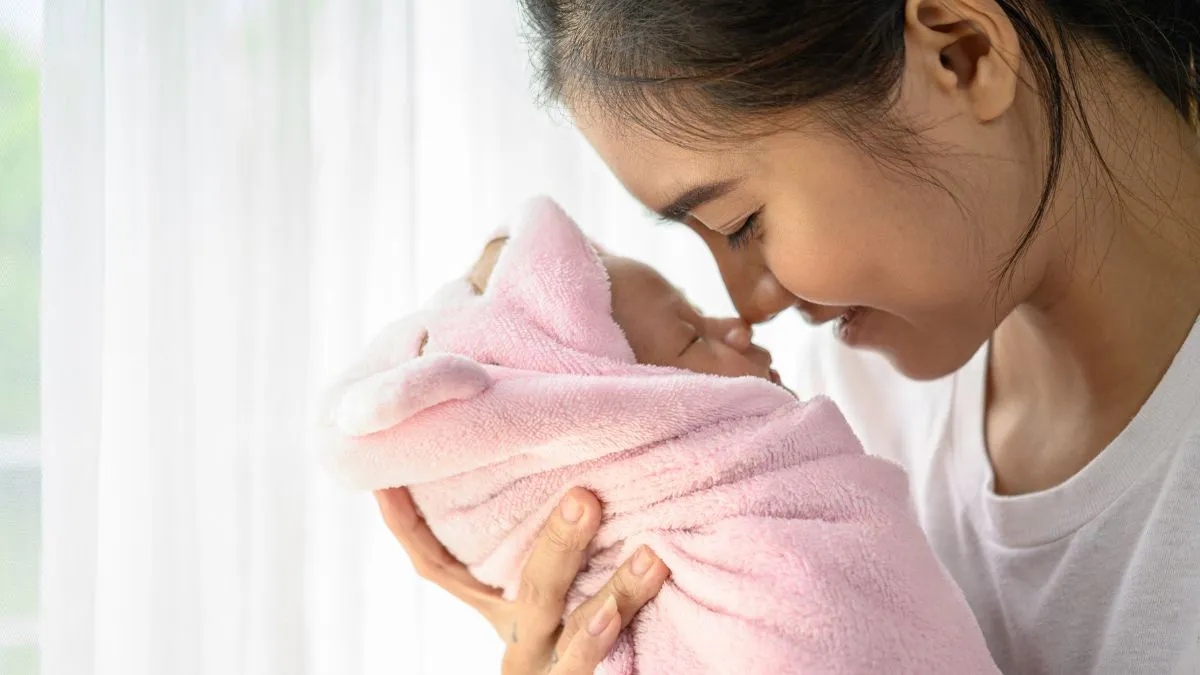
Becoming a mother brings a major identity shift, but the woman’s emotional wellbeing can often be overlooked. A psychotherapist explains why new mothers need honest conversations, emotional support and access to professional help without stigma.
Becoming a mother often discussed almost entirely through the lens of the baby. From pregnancy preparation and birth to the conversations that follow, much of the attention naturally goes towards the child’s health and wellbeing. But somewhere in the middle of all this, the woman who has just given birth can get overlooked.
The identity shift can be disorienting
Before having a baby, a woman may have a career, social life, established routines and a clear sense of who she is. After the baby arrives, much of that can change almost overnight. She now has a completely new role to navigate, while also trying to hold on to the person she was before motherhood. Finding a way for these two identities to coexist can take time. That sense of disorientation does not necessarily mean something is wrong. It can simply reflect the scale of the transition. Becoming a mother brings a huge change to everyday life, relationships and one’s understanding of oneself.The pressure to feel happy can make things harder
New motherhood is often accompanied by an expectation of happiness and joy. While those emotions can certainly be part of the experience, they are not the only ones. Exhaustion, grief over aspects of life that existed before the baby, or complicated feelings about one’s new identity can also emerge. Yet when a woman believes she is supposed to feel only happiness, acknowledging those emotions can become difficult. The difference between what a new mother thinks she should be feeling and what she actually feels can itself become a source of distress.New mothers need emotional support too
Practical help with the baby and household is important, but emotional support matters just as much. New mothers need to know that it is okay if they are not feeling okay all the time. Having honest conversations about the realities of this phase can make it easier to acknowledge difficult emotions instead of hiding them. Access to professional support should also be available without the fear of societal judgement or stigma. The arrival of a baby marks the beginning of a new chapter, but it is not a story about the baby alone. There is also a woman adjusting to an entirely new version of her life – and she deserves care, understanding and support too.The articles, news features, interviews, quotes, and media content displayed on this page are the property of their respective publishers and media houses. All such materials have been sourced from publicly available online platforms where our name, views, or contributions have been referenced, quoted, or featured.
Gateway of Healing / Dr. Chandni Tugnait / Others (as applicable) does not claim ownership over any external media content reproduced or linked here. The purpose of displaying these articles is solely for informational use, record-keeping, and to acknowledge media mentions related to our work.
Full credit for authorship, editorial content, and intellectual property rights belongs to the original publishers, journalists, and media organizations.
If any publisher or rights holder wishes to request modification, updated attribution, or removal of any content featured on this website, they may contact us at info@gatewayofhealing.com, and we will take appropriate action promptly.
Read the Article on Author's webpage - CLICK HERE


