





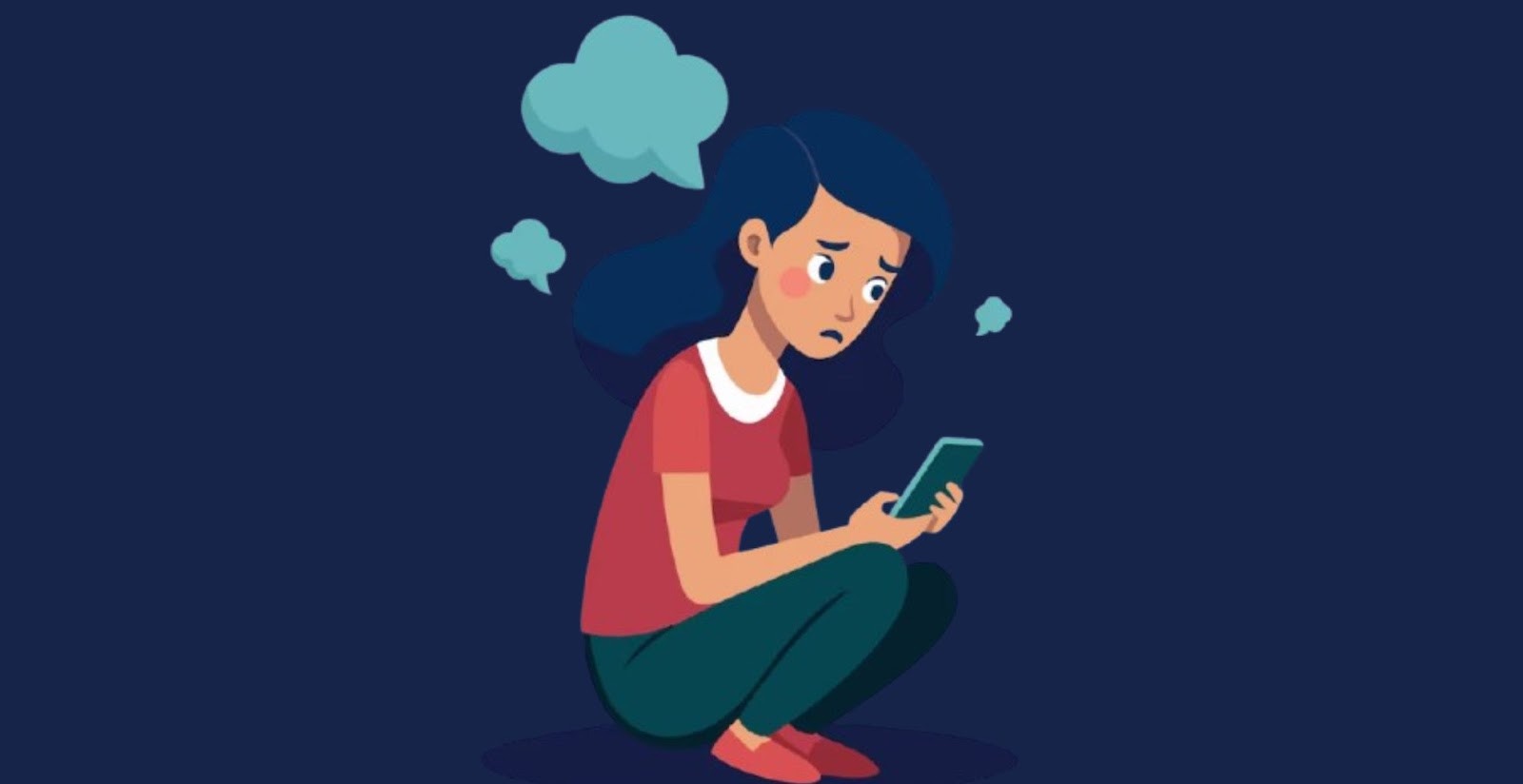
1. Chronic self-criticism
One of the most common “leftovers” from the past year is harsh self-talk. Many people judge the year by what they didn’t achieve, what took too long, or what didn’t go perfectly. Dr Tugnait explains that while reflection helps, constant self-blame keeps the nervous system stuck in stress mode. Growth happens from clarity and compassion, not punishment.2. Emotional over-responsibility
Another exhausting pattern is trying to carry emotions that were never yours to manage. This includes fixing others, absorbing their moods, and silencing your own needs just to avoid conflict. Over time, it leads to resentment and emotional burnout. Letting go of this habit doesn’t make you selfish; it makes you emotionally balanced.3. Unprocessed disappointment
Many people enter the new year looking functional on the outside but emotionally unfinished inside. Disappointment that isn’t processed doesn’t disappear; it turns into bitterness, numbness, or low-grade sadness. Dr Tugnait notes that emotional detox means naming what didn’t work out and allowing yourself to feel it, without turning it into self-blame or drama.4. Outdated identities
People often stay attached to older versions of themselves, like the high achiever who cannot rest or the caretaker who never asks for help. These identities may have once helped you survive a phase, but they can feel heavy later. Releasing them creates emotional space and authenticity.5. Living in constant alertness
Long-term stress trains the body to stay on guard even after the crisis is over. This can show up as irritability, restlessness, or an inability to relax. Emotional detoxing includes teaching your nervous system that it’s safe again.6. The need for constant certainty
Overthinking, overplanning, and constantly seeking reassurance often come from fear rather than preparedness. Dr Tugnait says that letting go of rigid certainty builds resilience and allows creativity, flexibility, and trust to return. Ultimately, emotional detox is not about becoming detached. It is about becoming intentional. When you release patterns that drain you, you create space for clarity, connection, and real growth. And sometimes, the biggest reset isn’t a new habit; it’s finally choosing to stop carrying what was never meant to stay.The articles, news features, interviews, quotes, and media content displayed on this page are the property of their respective publishers and media houses. All such materials have been sourced from publicly available online platforms where our name, views, or contributions have been referenced, quoted, or featured.
Gateway of Healing / Dr. Chandni Tugnait / Others (as applicable) does not claim ownership over any external media content reproduced or linked here. The purpose of displaying these articles is solely for informational use, record-keeping, and to acknowledge media mentions related to our work.
Full credit for authorship, editorial content, and intellectual property rights belongs to the original publishers, journalists, and media organizations.
If any publisher or rights holder wishes to request modification, updated attribution, or removal of any content featured on this website, they may contact us at info@gatewayofhealing.com, and we will take appropriate action promptly.
Read the Article on Author's webpage - CLICK HERE


