


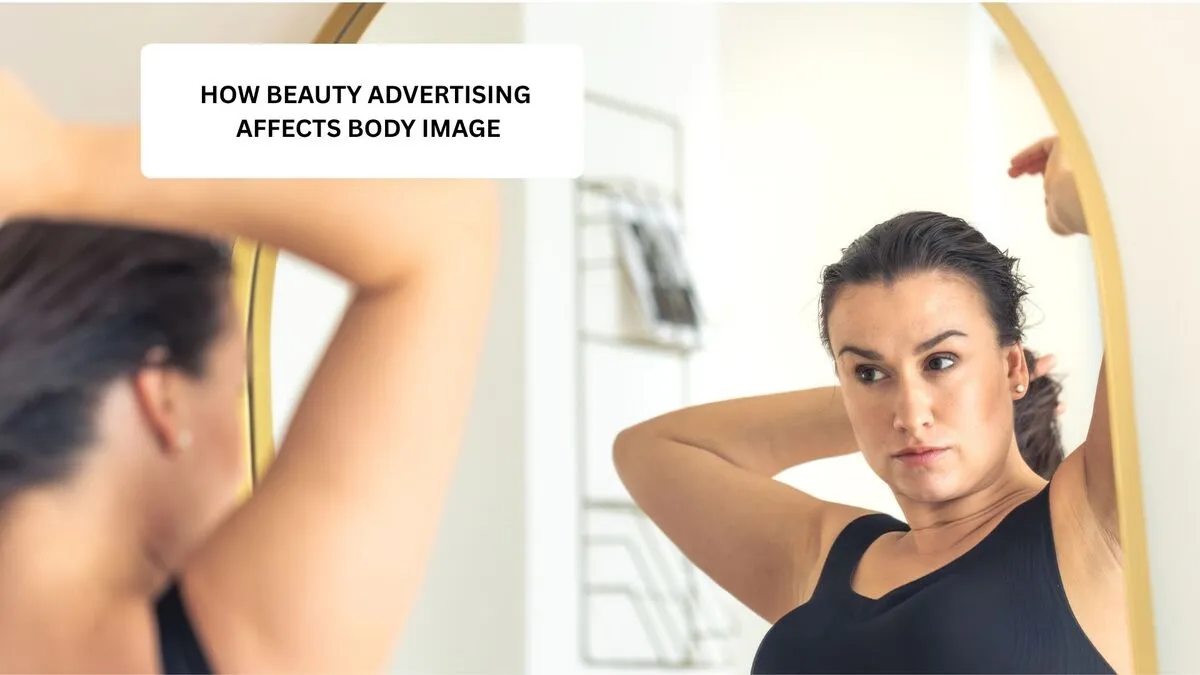
How Beauty Advertising Influences Body Image
Dr. Chandni Tugnait Explain Our Understanding of Beauty
Advertising does more than promote products; it also communicates ideas about what society considers attractive. When the same skin tones, body types, facial features and age groups dominate campaigns, they can begin to appear like the accepted norm rather than one version of beauty among many.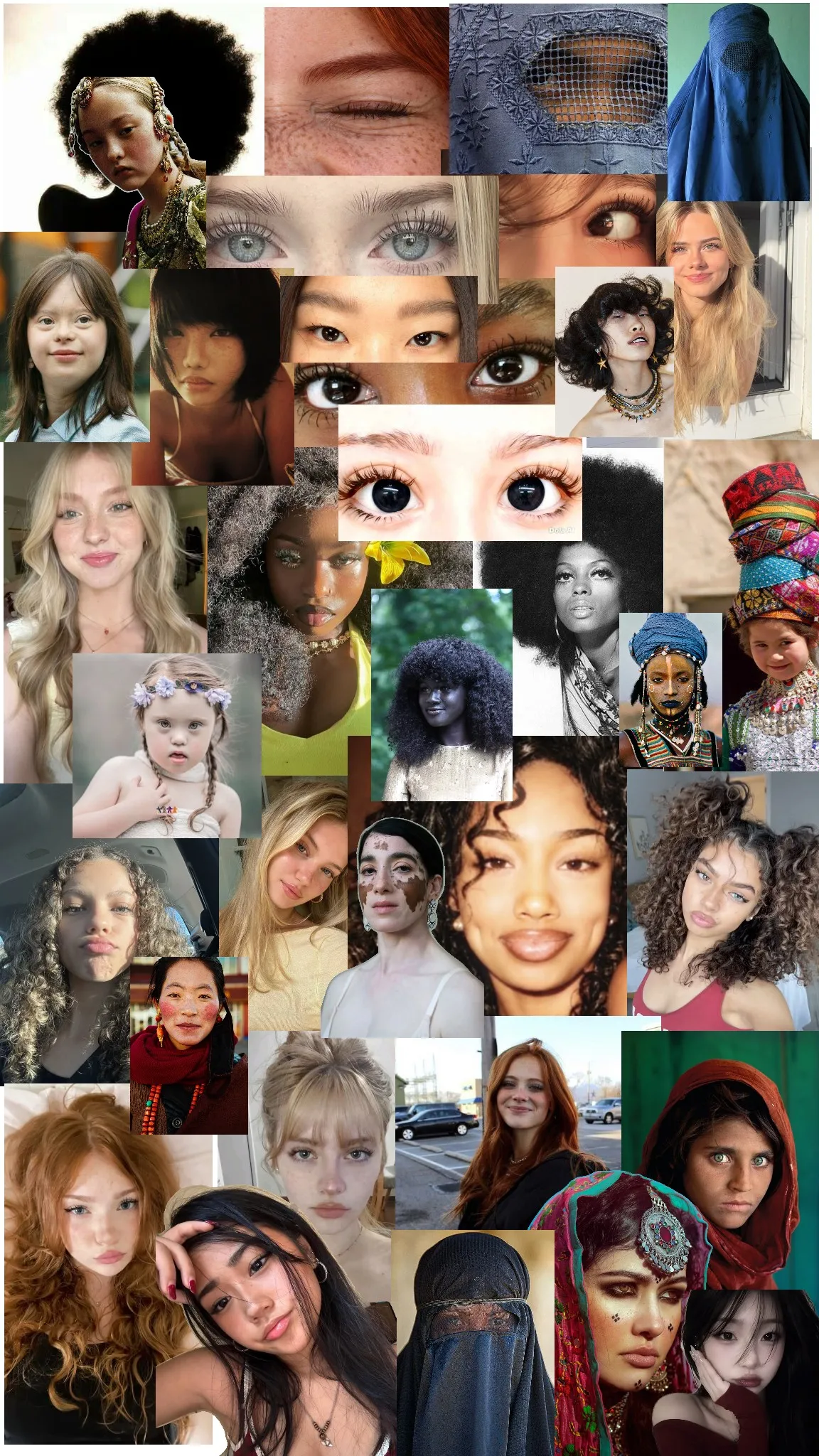
How Advertisements Create Insecurities ?
One of the subtler ways beauty advertising influences body image is by presenting an ordinary feature as a problem that needs to be corrected. A campaign may draw attention to pigmentation, pores, wrinkles, body fat, hair texture or signs of ageing before introducing a product as the solution. This approach can encourage consumers to scrutinise their appearance for flaws they may not previously have considered important.How Social Media Is Changing Face of Self-Image
The influence of beauty advertising extends beyond television commercials, magazine covers and billboards. Social media has made idealised beauty more personal and immediate. Filters and editing tools allow people to smooth their skin, brighten their complexion, alter facial proportions and modify their appearance before sharing photographs or videos. When individuals repeatedly see their enhanced faces on screen, those versions can become additional points of comparison. The unfiltered face may then seem disappointing, even though it is the authentic one. This can create a disconnect between how people look in everyday life and how they believe they should look.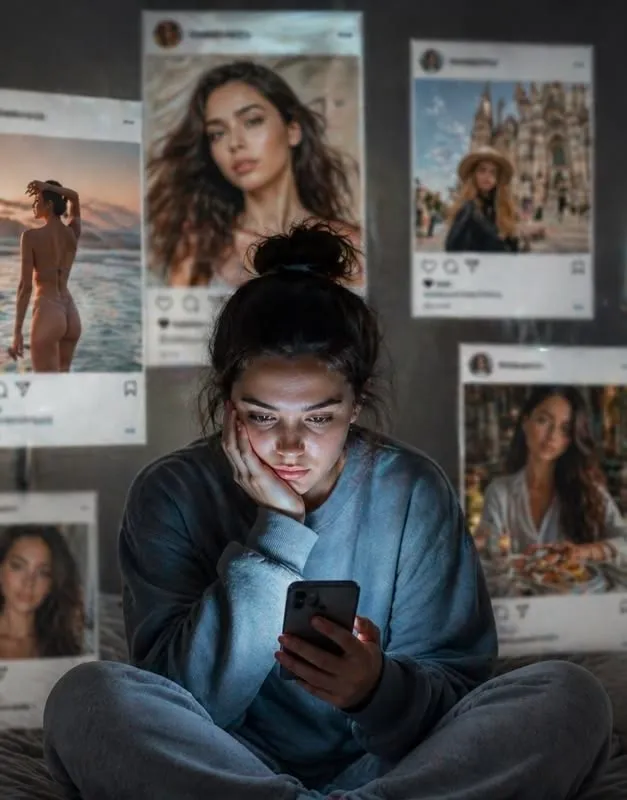
Hidden Emotional Cost of Constant Comparison
Body image is not simply about what we see when we look in the mirror. It is also about the meaning we attach to our appearance and how much value we believe it gives us. When beauty advertisements repeatedly associate attractiveness with happiness, success, desirability or social acceptance, they can create the impression that looking a certain way is a prerequisite for living a fulfilling life. This may contribute to appearance-related anxiety, low self-esteem, excessive self-monitoring and dissatisfaction with one’s body. For some individuals, these feelings may also influence spending habits, social interactions or their willingness to participate in activities where they feel conscious of their appearance.How To Build A Healthier Relationship with Beauty
The answer is not to reject beauty, skincare, makeup or fashion. Enjoying these things can be an expression of creativity, identity and self-care. The more important question is whether these choices come from personal enjoyment or from the belief that we are not enough as we are. Developing a healthier relationship with beauty begins with recognising the difference between an advertisement and reality. Understanding how lighting, camera angles, retouching and filters influence images can help us approach them with greater awareness.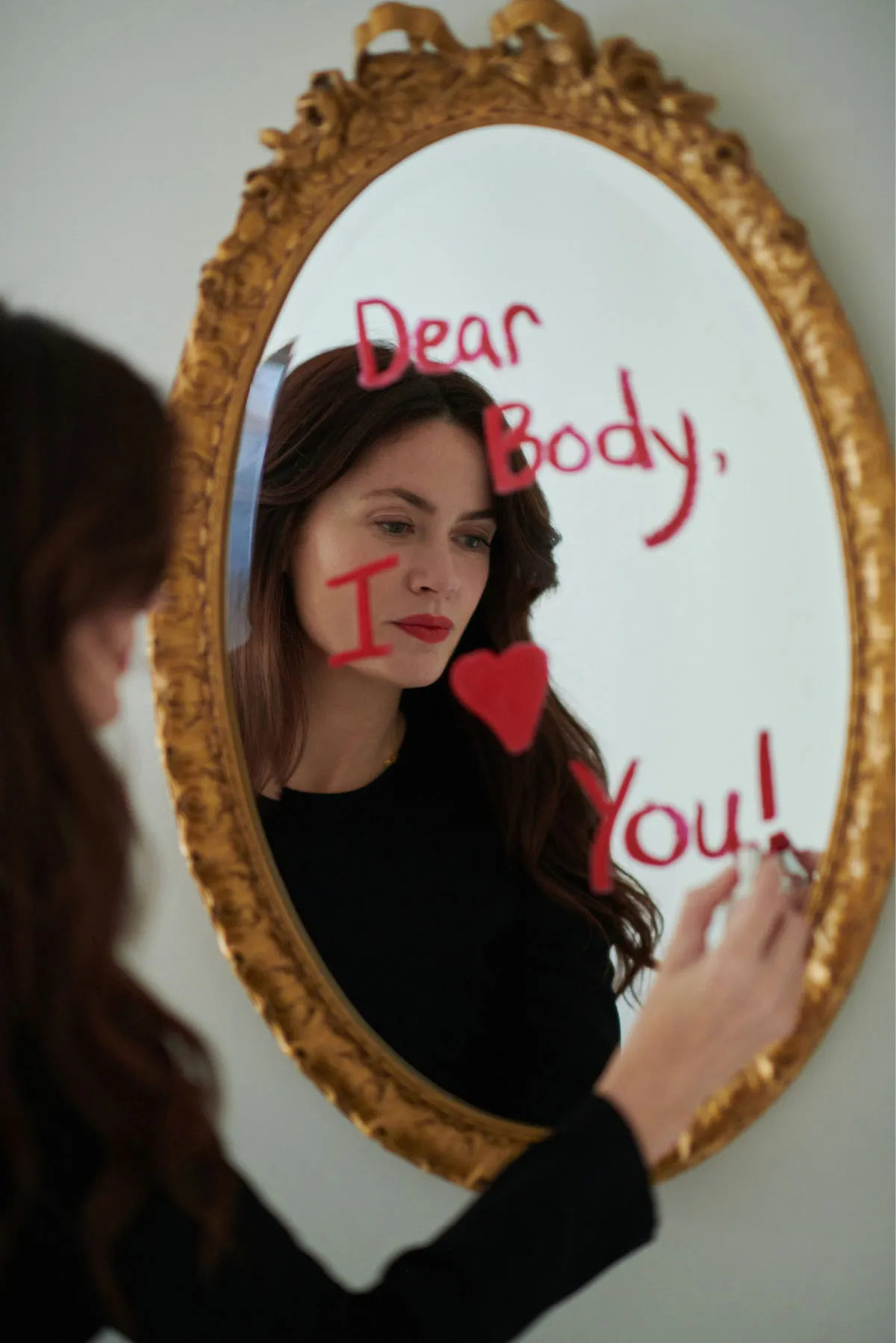
Conclusion
Beauty advertising has the power to influence cultural ideals, but it does not have to dictate our personal standards. The more consciously we engage with the images we consume, the easier it becomes to recognise that what is presented as perfection is often a carefully constructed version of reality. Dr. Chandni Tugnait says, ‘As a psychotherapist I believe awareness is an important starting point for changing our relationship with appearance. When we begin to question unrealistic standards rather than automatically measure ourselves against them, we create room for a more compassionate understanding of our bodies.’
The articles, news features, interviews, quotes, and media content displayed on this page are the property of their respective publishers and media houses. All such materials have been sourced from publicly available online platforms where our name, views, or contributions have been referenced, quoted, or featured.
Gateway of Healing / Dr. Chandni Tugnait / Others (as applicable) does not claim ownership over any external media content reproduced or linked here. The purpose of displaying these articles is solely for informational use, record-keeping, and to acknowledge media mentions related to our work.
Full credit for authorship, editorial content, and intellectual property rights belongs to the original publishers, journalists, and media organizations.
If any publisher or rights holder wishes to request modification, updated attribution, or removal of any content featured on this website, they may contact us at info@gatewayofhealing.com, and we will take appropriate action promptly.
Read the Article on Author's webpage - CLICK HERE