



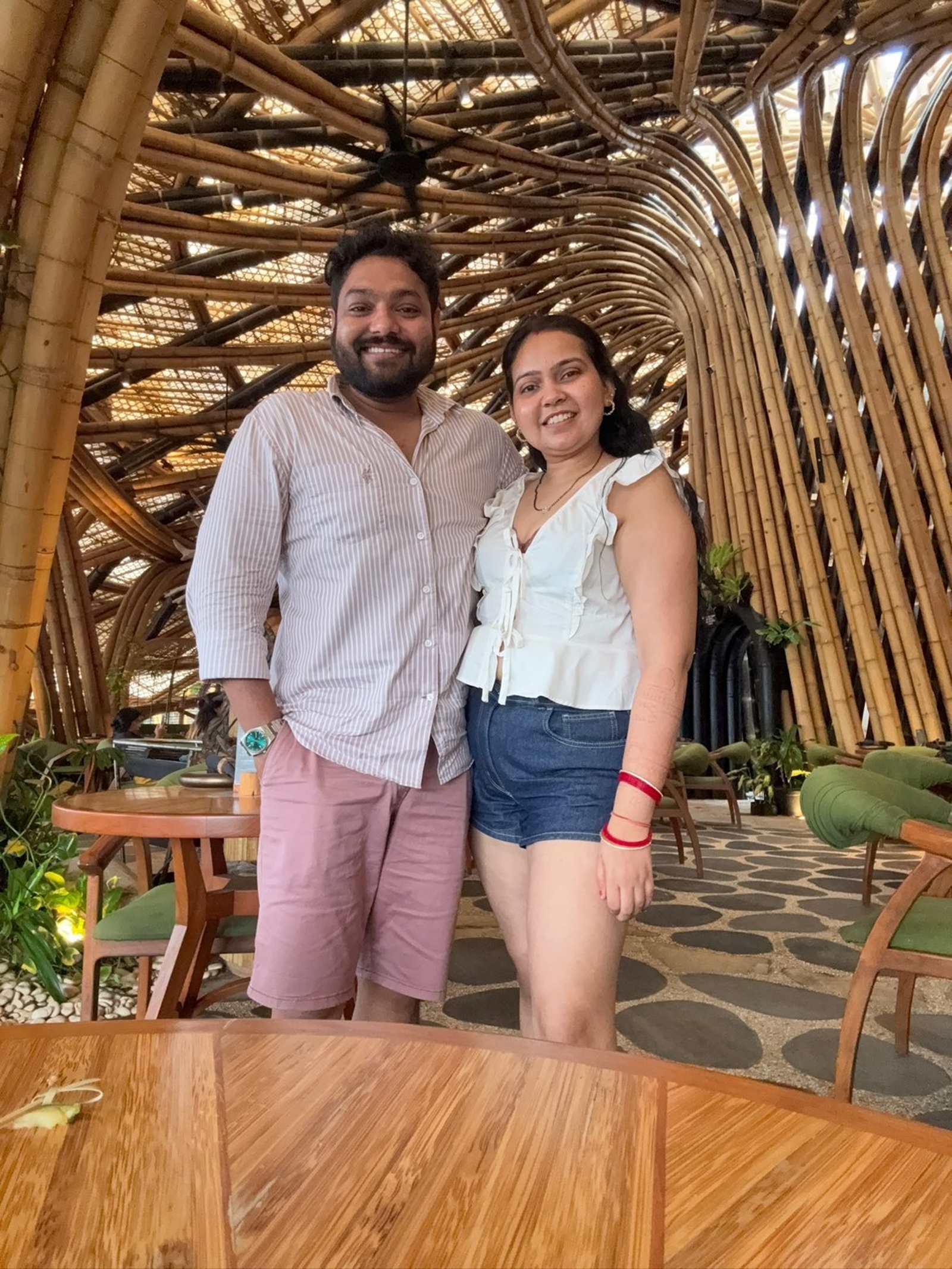
 Priya and Mohit (Photo: Priya Verma)While they did plan for Malaysia, they deliberately opted for an unplanned itinerary for many states in India and places in Indonesia. “The major difference was the surprise element, as no matter the research, the real conversations with locals give more insight into hidden places and spots. For example, in Bali, we went to all the hidden beaches. We select homestays that aren’t available on Airbnb or any site,” said Priya.
For Arjun Narayanan, itinerary-free travel is a habit shaped by the demands of his job. The product manager based in Barcelona described how his work often has “unpredictable travel schedules, and that spilled over to vacations as well”.
“I had to take them when I got a gap. But work made me comfortable with this—for work trips, sometimes I’ve booked my flight when I’m on the taxi to the airport, and then I’d figure out where I had to stay after landing,” he said.
That spontaneity, he added, also makes travel more enjoyable. “I never really know how much I’ll like a place until I get there, so I prefer taking things one day at a time. If I find somewhere I love, I can just stay longer.”
Priya and Mohit (Photo: Priya Verma)While they did plan for Malaysia, they deliberately opted for an unplanned itinerary for many states in India and places in Indonesia. “The major difference was the surprise element, as no matter the research, the real conversations with locals give more insight into hidden places and spots. For example, in Bali, we went to all the hidden beaches. We select homestays that aren’t available on Airbnb or any site,” said Priya.
For Arjun Narayanan, itinerary-free travel is a habit shaped by the demands of his job. The product manager based in Barcelona described how his work often has “unpredictable travel schedules, and that spilled over to vacations as well”.
“I had to take them when I got a gap. But work made me comfortable with this—for work trips, sometimes I’ve booked my flight when I’m on the taxi to the airport, and then I’d figure out where I had to stay after landing,” he said.
That spontaneity, he added, also makes travel more enjoyable. “I never really know how much I’ll like a place until I get there, so I prefer taking things one day at a time. If I find somewhere I love, I can just stay longer.”
Freedom to change plans
Instead of planning months in advance, Arjun typically waits until he knows his leaves can be managed, usually 10 to 15 days beforehand. “Practicality comes first,” he explained. “I look at places where I can get a visa easily or travel visa-free along with affordable last-minute flights. I’ll book a refundable hotel if I need proof of accommodation for immigration, but I often don’t decide where I’m actually staying until the day before I leave.” Arjun, who likes to travel for 15+ days, apart from weekend getaways, shared that he has had “miserable experiences while planning in advance where I’m forced to spend x number of days in a hotel/city that I don’t like just because it’s paid for and non-refundable”. “On the other hand, when I don’t plan anything, I feel the freedom of being able to extend my stay in a place I like, or if I meet another solo traveller who is interesting, then I team up with them for a few days,” he added. During his 21-day trip to Egypt in 2023, he spent the first week exploring Cairo. But everything changed when he arrived in Dahab. “I loved the place so much that I ended up staying there for the rest of my vacation,” he recalled. “I even skipped Luxor, the Valley of the Kings, and the other famous sights, and I never regretted it. Staying longer meant I could do plenty of scuba diving, which would have been impossible if I’d only spent two or three days in Dahab.”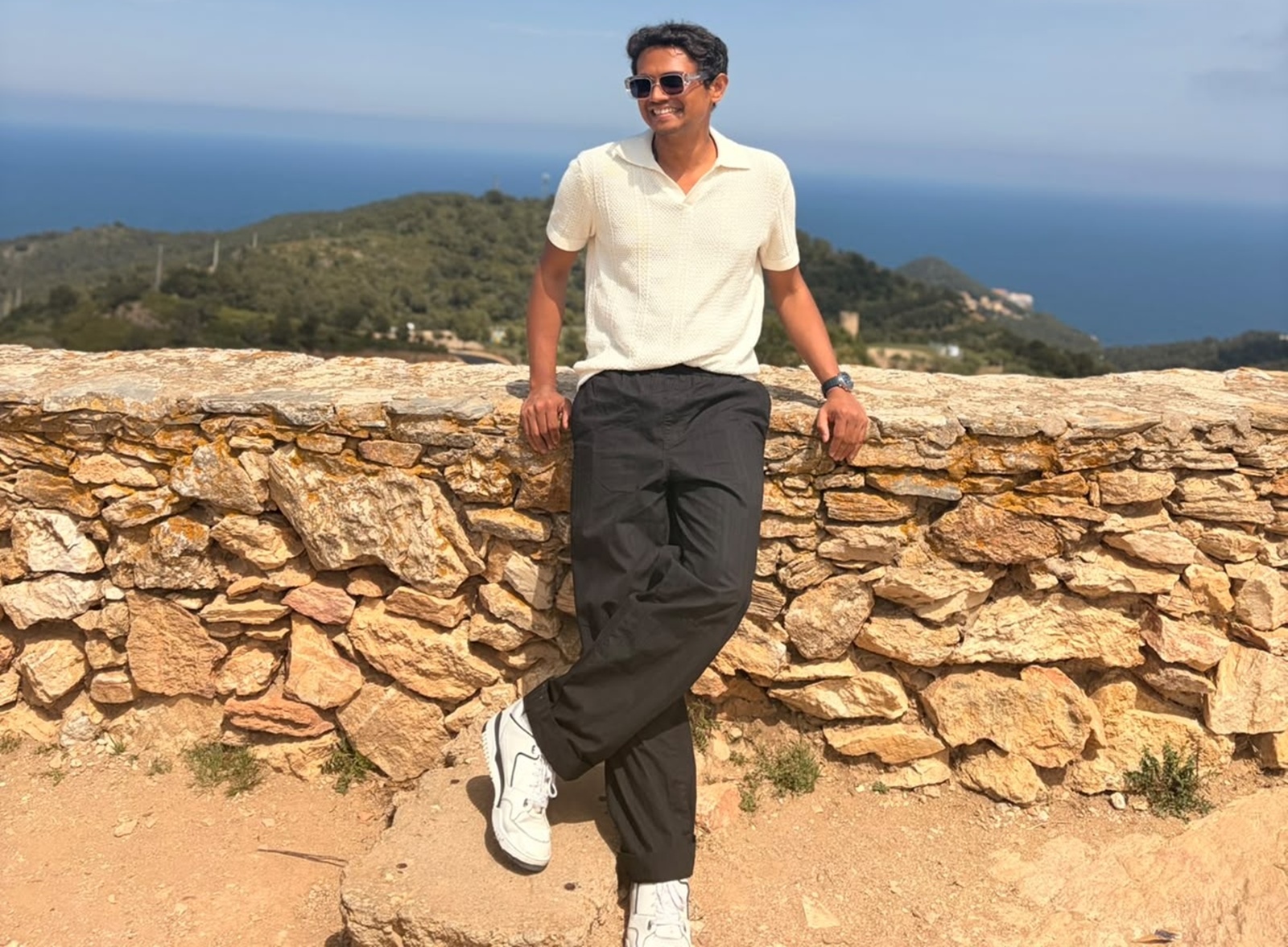 Arjun loves to decide his stay once he’s in the place (Photo: Arjun Narayanan)He also prefers making weather-based decisions closer to departure. “A last-minute forecast is usually more reliable than something from months ago,” he said. “And I almost always choose a seaside destination because I’m a beach person.” Sometimes, if online hotel prices seem too high, he skips booking altogether. “I’ll just arrive with my bags and try negotiating a room directly.”
When travellers prioritise experiences
Travel experts say this shift reflects a broader change in the way people think about holidays. Gajanan Joshi, CEO of K2 Journeys LLP in Pune, believes a new kind of traveller is emerging—one who is less interested in checking destinations off a bucket list and more focused on experiencing a place at their own pace or just going with the flow. “Earlier, travel was often about achieving a goal. People wanted to visit a destination, tick it off their bucket list, and move on. Now, there’s a growing group of seasoned travellers who have already visited several countries and don’t mind returning to the same place three or four times. They’re happy to slow down, explore, and go with the flow instead of following a fixed schedule.” The June 2026 report from Airbnb & YouGov, which surveyed over 2,000 respondents, confirmed that 66 per cent book their travel within days or weeks of departure. It also highlighted that two out of three travellers take trips simply “to do nothing”. According to Joshi, this marks a significant shift from how previous generations approached travel. “For a long time, visiting a particular country was seen as an achievement. Once you had been there, you felt there was no reason to go back,” he explained.Itineraries becoming less rigid
Social media, Joshi noted, has played a major role in changing those habits. “In the last few years, traditional tourist attractions have taken a back seat to places people discover online. Travellers now want to visit locations they’ve seen on social media, and these aren’t always famous landmarks. Sometimes it’s a café, a restaurant, or simply a scenic spot that’s worth stopping by. For this type of traveller, the focus isn’t on collecting passport stamps or showing off destinations on social media. Instead, it’s about making the most of their time, immersing themselves in local experiences, and returning home with memories rather than just photos. However, this kind of trend has its share of downsides as many people have to pay higher hotel prices, have sold-out stays, or may face transport challenges, visa documentation, and even safety issues.When overscheduled lives need unscheduled breaks
From a psychological perspective, the rise of anti-itinerary travel reflects a broader shift in how people think about rest and leisure. Dr Chandni Tugnait, MD (A.M) psychotherapist, and founder-director, Gateway of Healing, believes many Indians are moving away from tightly planned holidays because their everyday lives are already highly structured. “India’s relationship with leisure is quietly changing now, as people are beginning to understand that doing less on a holiday isn’t a waste, because rest has value in its own right, without needing to be justified by a packed schedule or a camera roll full of tourist spots. For a lot of people right now, that realisation alone is the whole point,” said Dr Tugnait. Most people’s daily lives are already packed with deadlines, meetings, and the pressure to utilise every hour. “A holiday that simply replicates that structure in a different city isn’t really a holiday, but the same exhaustion with better scenery. The anti-itinerary vacation is a direct response to this, offering time that belongs entirely to them, with no agenda attached,” said Dr Tugnait.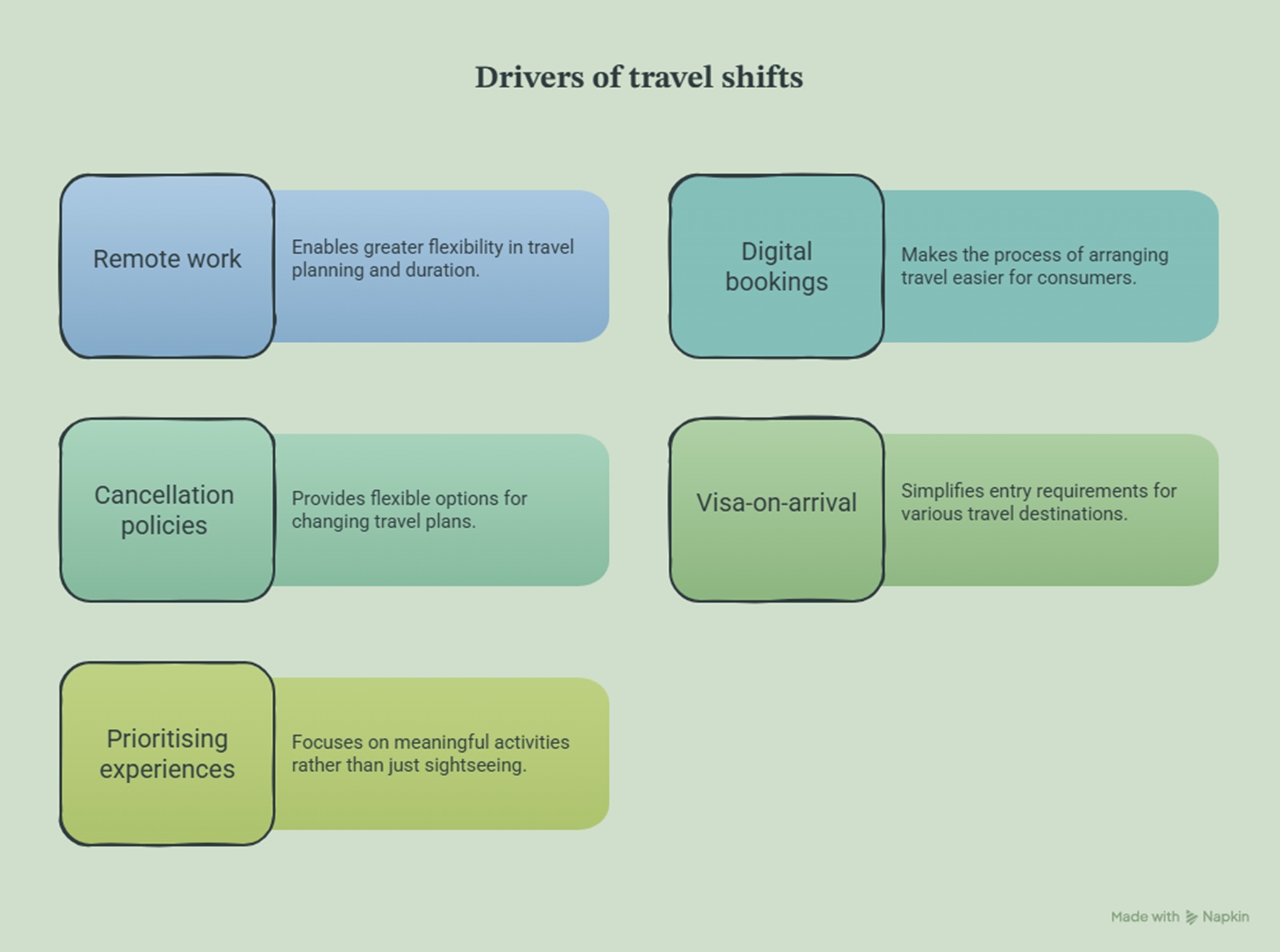 Here’s why it’s becoming popular (Photo: AI Generated)Some of the most memorable travel experiences happen in the gaps between plans, in the conversations you didn’t schedule, in the local spots no travel guide mentioned, and in the places you ended up in simply by getting a little lost. A strict itinerary leaves no room for any of that to happen, observed Dr Tugnait.
Choosing not to over-plan a trip isn’t about being unprepared or passive, but it’s about holding the plan loosely enough that the trip has room to breathe. “People who travel this way often return with more energy, more genuine memories, and a clearer sense of having actually been somewhere rather than simply ticking it off a list,” the doctor added.
Here’s why it’s becoming popular (Photo: AI Generated)Some of the most memorable travel experiences happen in the gaps between plans, in the conversations you didn’t schedule, in the local spots no travel guide mentioned, and in the places you ended up in simply by getting a little lost. A strict itinerary leaves no room for any of that to happen, observed Dr Tugnait.
Choosing not to over-plan a trip isn’t about being unprepared or passive, but it’s about holding the plan loosely enough that the trip has room to breathe. “People who travel this way often return with more energy, more genuine memories, and a clearer sense of having actually been somewhere rather than simply ticking it off a list,” the doctor added.
Stay open to possibilities
So, if you’re thinking of swapping packed schedules for a more flexible holiday, these travellers say the key is to stay open to the unexpected.The articles, news features, interviews, quotes, and media content displayed on this page are the property of their respective publishers and media houses. All such materials have been sourced from publicly available online platforms where our name, views, or contributions have been referenced, quoted, or featured.
Gateway of Healing / Dr. Chandni Tugnait / Others (as applicable) does not claim ownership over any external media content reproduced or linked here. The purpose of displaying these articles is solely for informational use, record-keeping, and to acknowledge media mentions related to our work.
Full credit for authorship, editorial content, and intellectual property rights belongs to the original publishers, journalists, and media organizations.
If any publisher or rights holder wishes to request modification, updated attribution, or removal of any content featured on this website, they may contact us at info@gatewayofhealing.com, and we will take appropriate action promptly.
Read the Article on Author's webpage - CLICK HERE