Shark Tank India’s Vineeta Singh once reasoned why most divorces happen in the 30s. “I think you are in that pressure where the 30s is the most stressful time at work because you are on a trajectory and there’s a lot of politics and all of those things are happening. Really, sh** hits the fan where a combination of ageing parents, kids, financial stress, career stress, lack of freedom because you can’t change your career, lack of availability of
friendships because everyone is busy in their lives,” said Singh.
During a chat with Ranveer Allahabadia on his podcast from 2024, she added, “So, nobody to share your pain with. Suddenly, all of that happens. In between all of that, two very highly stressed individuals are in a marriage, there are chances that if you are feeling I am not grateful, then you become bitter about everything.”
The 30s often bring career growth, personal development, and increased responsibilities, all of which can strain relationships if not navigated with awareness and
communication, mentioned
Dr Chandni Tugnait, psychotherapist, coach and healer, founder and director, Gateway of Healing.
Why does it happen?
The unspoken pain: The fights over money, the disagreements about parenting, the conflicts about in-laws – these are just the surface. Beneath them lie deeper, corrosive forces that quietly eat away at love, said Delnna Rrajesh, psychotherapist, energy healer and life coach.
Emotional anorexia: Couples in their 30s often suffer from emotional anorexia. After a long day of giving everything to their jobs, kids, and ageing parents, there’s nothing left to give each other. “Affection, validation, and vulnerability are withheld; not out of malice, but out of depletion. Conversations shift from “How are you really doing?” to “Did you pay the bills?”.
The Unconscious Scoreboard: Stress transforms marriage into competition. Unknowingly, couples begin keeping a tally: I woke up with the baby three times; you only woke up once. I handled the client meltdown; you’ve got to relax. “This scoreboard isn’t about
fairness; it’s a desperate cry for recognition. Each invisible checkmark is a wound of being unseen, unappreciated, and taken for granted. This dynamic quietly kills intimacy,” shared Delnna.
The loss of self: By the 30s, many lose the very person their partner once fell in love with. The carefree, playful individual is buried under roles — provider, caregiver, parent. According to Delnna, this loss creates quiet grief for the self you used to be. “And grief often morphs into resentment toward the partner who seems to symbolise that loss,” said Delnna.
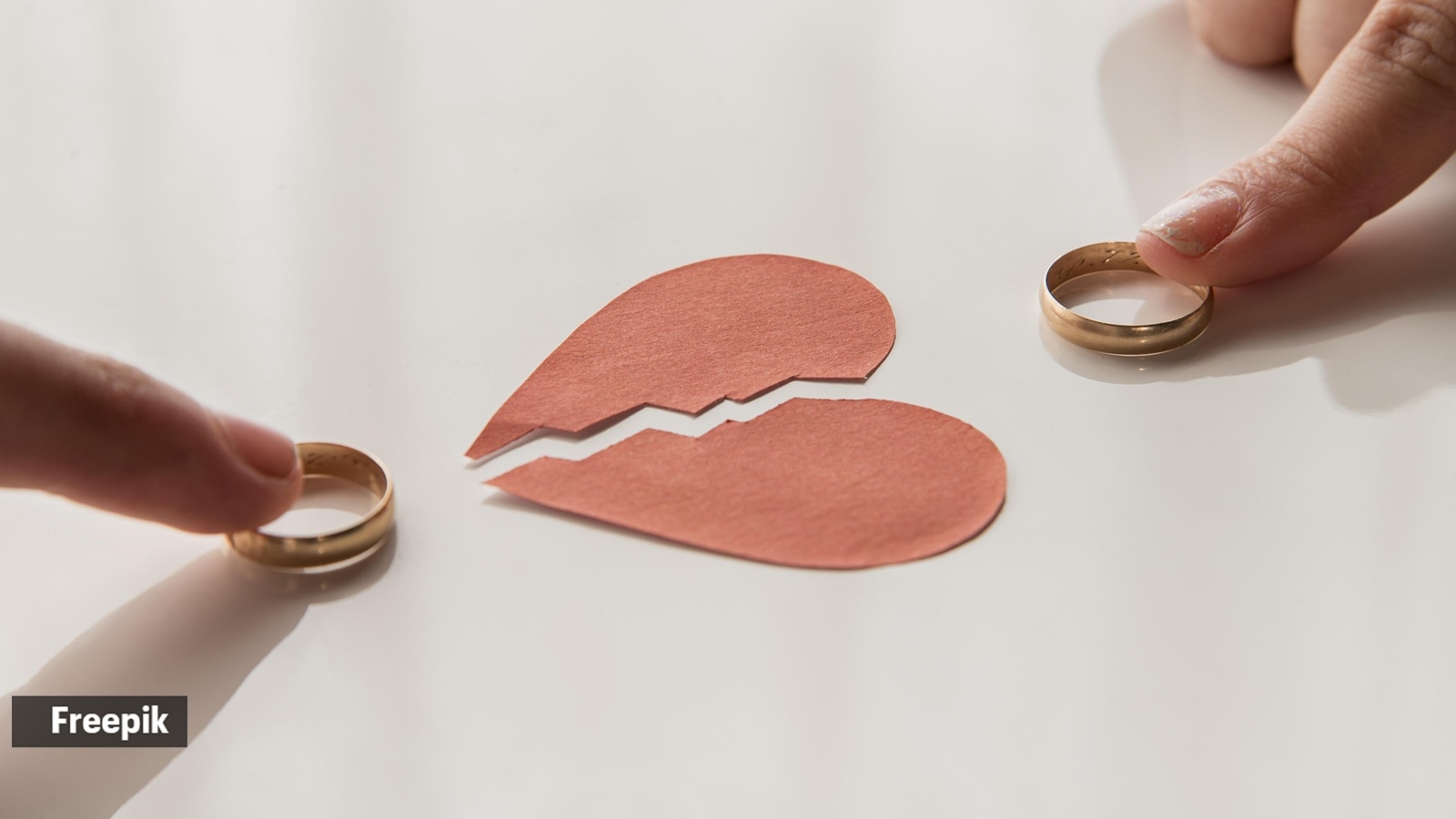 Here’s why (Photo: Freepik)
So, what’s the way forward?
Here’s why (Photo: Freepik)
So, what’s the way forward?
Awareness of evolving needs, open communication, and shared problem-solving can strengthen relationships.” Seeking professional guidance or couples therapy can help navigate
conflicts constructively,” said
Dr Tugnait.
“Recognising challenges early and addressing them proactively can reduce the risk of separation and strengthen long-term partnership,” said
Dr Tugnait.
The articles, news features, interviews, quotes, and media content displayed on this page are the property of their respective publishers and media houses. All such materials have been sourced from publicly available online platforms where our name, views, or contributions have been referenced, quoted, or featured.
Gateway of Healing / Dr. Chandni Tugnait / Others (as applicable) does not claim ownership over any external media content reproduced or linked here. The purpose of displaying these articles is solely for informational use, record-keeping, and to acknowledge media mentions related to our work.
Full credit for authorship, editorial content, and intellectual property rights belongs to the original publishers, journalists, and media organizations.
If any publisher or rights holder wishes to request modification, updated attribution, or removal of any content featured on this website, they may contact us at
info@gatewayofhealing.com,
and we will take appropriate action promptly.
Read the Article on Author's webpage - CLICK HERE