





Dr Chandni Tugnait
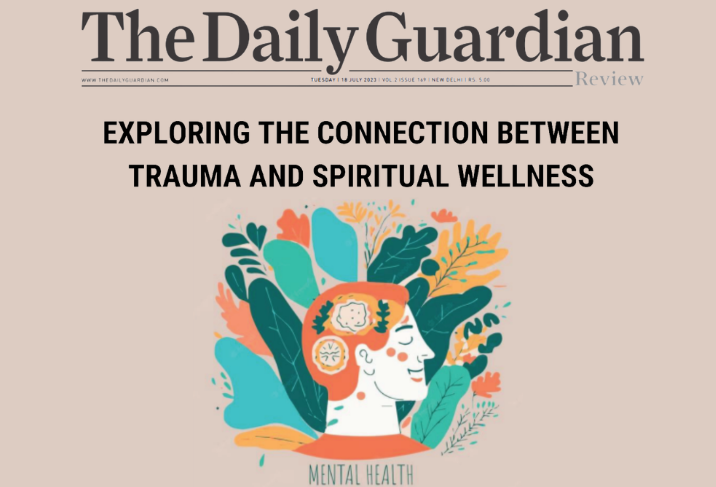
Trauma is a natural and understandable emotional response to a highly distressing or disturbing event that can overwhelm an individual’s ability to cope. Trauma can take many forms, including physical or emotional abuse, neglect, violence, accidents, and natural disasters. Trauma can have lasting effects on an individual’s mental, emotional, physical, psychological, and spiritual well-being.
Spiritual wellness involves finding a connection to something larger than oneself, discovering meaning and purpose, and feeling at peace with oneself and the world around. However, trauma can cause individuals to feel disconnected from their spiritual beliefs and practices.
Individuals who experience trauma may struggle with questions about the meaning of life, their place in the world, and the existence of a higher power. Moreover, they may feel isolated, hopeless, and helpless in dealing with their pain. There are always ways to work towards healing and achieving a sense of balance.
Some of the strategies individuals can use to enhance their spiritual wellness include mindfulness practices, meditation, and seeking support from a trusted spiritual advisor or counsellor. By taking steps to reconnect with their spiritual selves, individuals can transform their traumatic experiences into opportunities for growth and find a more profound sense of meaning and purpose in life.
Effects of Trauma on Spiritual Wellness
Trauma can lead to a disconnection from one’s spiritual beliefs, values, and practices. It can cause an individual to question their beliefs and lose faith in their spiritual practices. The overwhelming emotions associated with trauma can make it difficult to focus on spiritual practices such as prayer, meditation, or attending religious services. Trauma can also lead to feelings of shame, guilt, and a sense of being disconnected from others and the world around them, which can further impact one’s spiritual wellness.
The journey towards healing from trauma and restoring spiritual wellness can be challenging, but it is possible.
1. Seek Professional Help
The first step towards healing from trauma is to seek professional help. A mental health professional can provide support and guidance to help individuals process their emotions, develop coping mechanisms, and restore their sense of well-being. A mental health professional can also offer advice on spiritual practices that may help in the healing process.
2. Reconnect with Spiritual Beliefs and Practices
It’s essential to reconnect with spiritual beliefs and practices that may have been disrupted by trauma. This can include attending religious services, meditation, prayer, or practicing mindfulness. Engaging in spiritual practices can help individuals find peace, connect with a higher power, and restore a sense of purpose.
3. Practice Self-care
Self-care is essential to the healing process and restoring spiritual wellness. It’s important to take time to engage in activities that bring joy and promote relaxation. This can include spending time in nature, practicing yoga, or participating in creative pursuits.
4. Connect with Others
Trauma can lead to feelings of isolation and disconnection. It’s essential to connect with others who can provide support and guidance. This can include family, friends, or support groups. Connecting with others can help individuals feel less alone and give them a sense of community.
5. Practice Forgiveness
Forgiveness can be a powerful tool in the healing process. Holding onto anger and resentment can hinder the healing process and lead to further emotional pain. Practicing forgiveness can help individuals let go of negative emotions and find peace.
Trauma can have a very profound impact on an individual’s spiritual wellness. However, with proper support and guidance, individuals can work towards healing and restoring their well-being. Remember, you are not alone.
The articles, news features, interviews, quotes, and media content displayed on this page are the property of their respective publishers and media houses. All such materials have been sourced from publicly available online platforms where our name, views, or contributions have been referenced, quoted, or featured.
Gateway of Healing / Dr. Chandni Tugnait / Others (as applicable) does not claim ownership over any external media content reproduced or linked here. The purpose of displaying these articles is solely for informational use, record-keeping, and to acknowledge media mentions related to our work.
Full credit for authorship, editorial content, and intellectual property rights belongs to the original publishers, journalists, and media organizations.
If any publisher or rights holder wishes to request modification, updated attribution, or removal of any content featured on this website, they may contact us at info@gatewayofhealing.com, and we will take appropriate action promptly.
Read the Article on Author's webpage - CLICK HERE


