





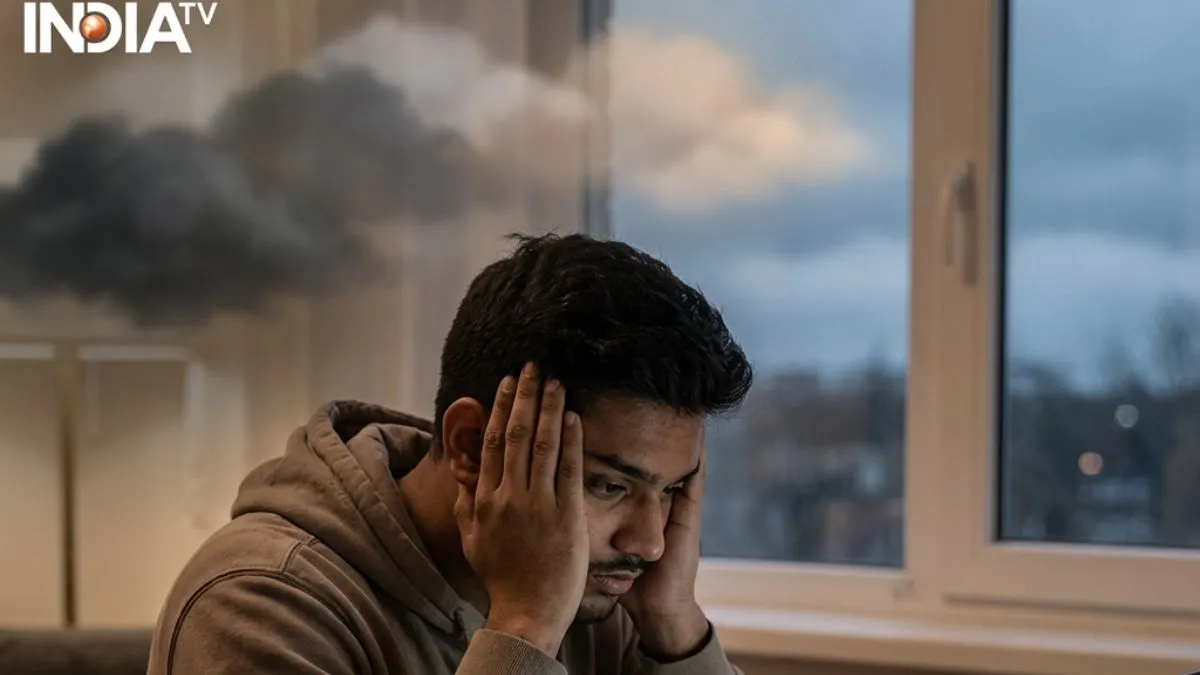
Stress is a common factor in everybody’s life. It can show up before an important meeting, during difficult conversations or while dealing with deadlines and uncertainty. In many situations, stress is the body’s natural response to pressure and challenge.
The concern begins when the stressful situation has already passed, but the anxiety, exhaustion or emotional heaviness refuses to leave. Experts say that is often the point where ordinary stress may slowly begin turning into a larger mental health concern.When stress stops being temporary
According to Dr Chandni Tugnait, Psychotherapist, Life Alchemist, Coach & Healer, Founder & Director of Gateway of Healing, “Everyday stress is usually linked to a specific situation and tends to reduce once the trigger disappears. Feeling tired or emotionally exhausted from time to time is okay, but feeling constantly overwhelmed for weeks or months suggests that your brain is not coping well with stress.”The body usually gives signals even before the mind realises there is a problem
Mental illnesses are not always psychological. Chronic stress can begin affecting physical health as well. Dr Chandni highlights that unaddressed stress may disrupt sleep patterns, increase fatigue, affect appetite and create frequent body tension. Some people may also notice falling immunity or recurring physical exhaustion without a clear medical explanation. Experts say the body often “keeps score” long before individuals fully recognise what is happening emotionally. Physical symptoms can sometimes become the first visible signs that stress is becoming difficult to manage.When everyday functioning starts feeling difficult
One of the strongest indicators that stress may be turning into a mental health concern is when ordinary daily functioning becomes unusually difficult. Tasks such as concentrating at work, maintaining relationships, responding to messages or finding motivation for routine activities may suddenly begin feeling exhausting. Experts stress that this should not automatically be dismissed as laziness or a “bad phase”. According to Dr Chandni, this is often the stage where professional support becomes important because stress has started affecting the person’s basic ability to function comfortably in daily life.Why recognising early signs matters
Mental health experts say the line between normal stress and a serious mental health concern is not always dramatic or obvious. However, the mind and body usually send repeated signals over time. Recognising these warning signs early may help people seek support, make healthier lifestyle changes and prevent emotional exhaustion from escalating further.The articles, news features, interviews, quotes, and media content displayed on this page are the property of their respective publishers and media houses. All such materials have been sourced from publicly available online platforms where our name, views, or contributions have been referenced, quoted, or featured.
Gateway of Healing / Dr. Chandni Tugnait / Others (as applicable) does not claim ownership over any external media content reproduced or linked here. The purpose of displaying these articles is solely for informational use, record-keeping, and to acknowledge media mentions related to our work.
Full credit for authorship, editorial content, and intellectual property rights belongs to the original publishers, journalists, and media organizations.
If any publisher or rights holder wishes to request modification, updated attribution, or removal of any content featured on this website, they may contact us at info@gatewayofhealing.com, and we will take appropriate action promptly.
Read the Article on Author's webpage - CLICK HERE


