Feeling nervous before meeting new people, speaking in public or attending a social event is something almost everyone experiences. These feelings are usually temporary and fade once the situation is over.
However, for some people, social situations trigger intense fear and anxiety that can interfere with work, education, relationships and daily life. They may avoid social gatherings, struggle to speak in meetings or spend days worrying about conversations that others have long forgotten.
This condition is known as social anxiety, or Social Anxiety Disorder. It is much more than shyness or being naturally quiet. It is a recognised mental health condition that can be treated with the right support.
What is Social Anxiety?
According to the
Anxiety and Depression Association of America, social anxiety is a persistent fear of being judged, criticised or embarrassed in social situations. People with social anxiety often worry that they will say or do something that others will view negatively.
Dr Chandni Tugnait, Psychotherapist, Founder and Director of Gateway of Healing, explains that while most people feel nervous before a presentation or awkward in a room full of strangers, social anxiety goes much further.
“It is a persistent, often overwhelming fear of social situations that extends well beyond ordinary shyness. It can quietly shape a person’s entire life without them fully realising that what they are experiencing has a name,” she says.
The fear is not necessarily about the social event itself. Instead, it is often about what other people might think or say.
Social Anxiety Is Not The Same As Shyness
Many people confuse social anxiety with being shy or introverted.
Shyness is a personality trait. A shy person may feel uncomfortable in new situations but gradually becomes more relaxed as they get to know people.
Introverted people often prefer smaller groups or time alone because they find it energising.
Social
anxiety is different because the fear is intense and persistent. It can prevent people from participating in activities they would otherwise enjoy or benefit from.
For example, someone with social anxiety may avoid:
- Speaking in meetings
- Attending social events
- Meeting new people
- Eating in public
- Asking questions in class
- Making phone calls
- Going to job interviews
The avoidance is driven by fear rather than personal preference.
What Does Social Anxiety Feel Like?
Dr Tugnait explains that social anxiety often begins long before the event itself.
Someone may spend several days worrying about a work dinner or family gathering. Afterwards, they may replay every conversation repeatedly, searching for signs that they embarrassed themselves or said the wrong thing.
This constant self-evaluation can become mentally exhausting.
Signs Of Social Anxiety
According to a review article
published in the Cureus Journal of Medical Science, the symptoms vary from person to person but generally involve emotional, physical and behavioural changes.
Emotional signs
People with social anxiety may experience:
- Intense fear of being judged
- Constant worry before social situations
- Feeling embarrassed very easily
- Fear of making mistakes in front of others
- Low self-confidence
- Excessive self-consciousness
Many people also assume that others are paying far more attention to them than they actually are.
Physical symptoms
Anxiety affects the body as well as the mind. According to Dr Tugnait, physical symptoms may include:
- A racing heartbeat
- Sweating
- Blushing
- Trembling or shaking
- A dry mouth
- An upset stomach
- Muscle tension
- Feeling dizzy
Some people also describe their mind going blank when attention is focused on them, making it difficult to answer questions or continue conversations.
Behavioural signs
People with social anxiety often change their behaviour to avoid feeling uncomfortable. They may:
- Decline invitations
- Avoid eye contact
- Speak very quietly
- Leave social events early
- Stay silent in group discussions
- Avoid asking for help
- Depend on others to speak for them
Although avoiding social situations brings temporary relief, it usually strengthens the anxiety over time.
Why Does Social Anxiety Develop?
A
study published in ResearchGate shows that there is no single cause of social anxiety. Experts believe it develops through a combination of factors, including:
- Family history of anxiety disorders
- Personality traits
- Negative childhood experiences
- Bullying or criticism
- Stressful or embarrassing social experiences
- Differences in how the brain processes fear
Not everyone with these risk factors develops social anxiety, but they may increase the likelihood.
What Makes Social Anxiety Worse?
According to Dr Tugnait, avoidance is one of the biggest reasons social anxiety continues.
“Every time someone avoids a feared situation, they miss the opportunity to discover that they might actually cope better than expected. As a result, the brain continues believing that the situation is dangerous, making future encounters feel even more frightening,” she explains.
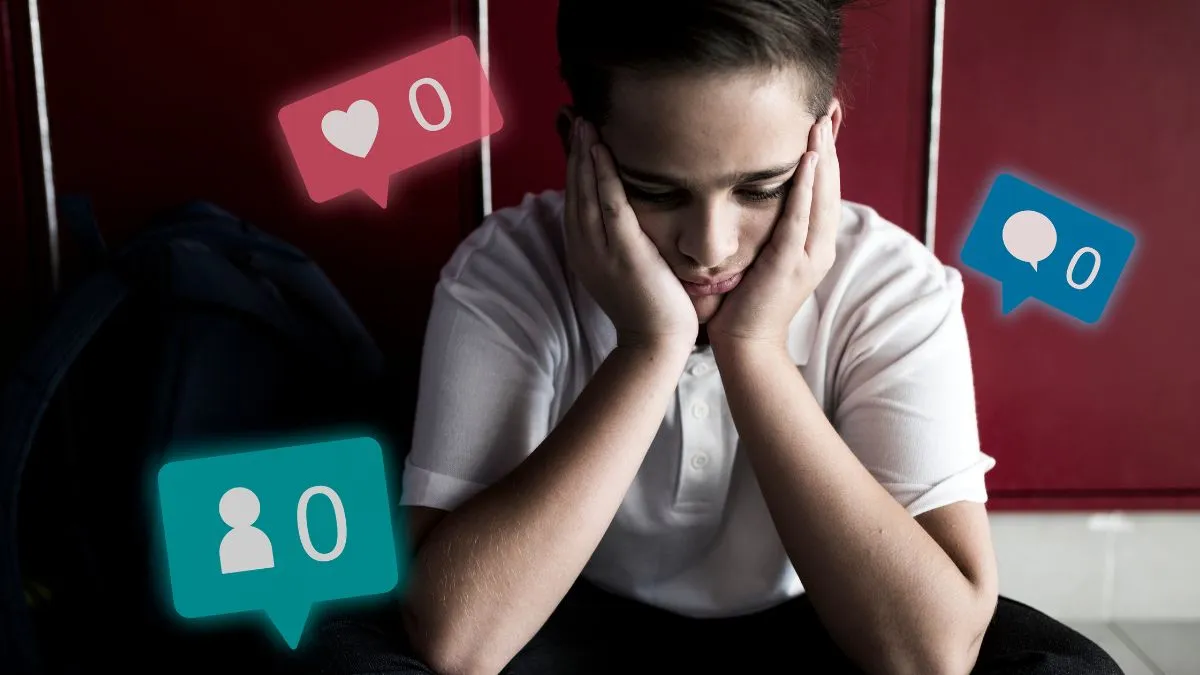
Social media can also contribute to anxiety.
Seeing carefully edited versions of other people’s lives may encourage constant comparison.
People with social anxiety may become increasingly worried about how they appear to others, even though online posts rarely reflect reality.
Practical Ways To Cope
Although social
anxiety can feel overwhelming, there are effective ways to manage it.
Start with small steps
Dr Tugnait recommends beginning with manageable social situations rather than forcing yourself into highly stressful ones. For example, you might:
- Say hello to a neighbour.
- Ask a shop assistant a simple question.
- Join a small group conversation.
- Attend a short social gathering.
- Gradual exposure helps build confidence over time.
Challenge anxious thoughts
Social anxiety often creates negative assumptions such as:
“Everyone will laugh at me.”
“I sounded foolish.”
“People think I am boring.”
Pause and ask yourself whether there is actual evidence for these thoughts. Often, our minds are much harsher critics than other people.
Resist avoidance
Avoiding situations may feel comforting in the moment, but it usually strengthens fear.
Dr Tugnait explains that even attending one small event you would normally avoid can begin changing the pattern.
Each positive experience helps teach the brain that social situations are not as threatening as they seem.
Talk to someone you trust
Many people keep their anxiety hidden because they fear being misunderstood.
Sharing your experiences with a trusted friend, family member or colleague can reduce feelings of isolation.
Dr Tugnait points out that social anxiety often grows stronger in silence. Simply talking openly about it can remove some of its emotional weight.
Practise relaxation techniques
Deep breathing,
meditation, mindfulness and progressive muscle relaxation can help calm the body’s stress response before social situations.
Regular exercise, good sleep and limiting excessive caffeine may also reduce overall anxiety levels.
When To Seek Professional Help
If social anxiety begins affecting your work, education, relationships or quality of life, professional support is important.
According to a
study conducted by the Department of Psychiatry, University of California, USA, social anxiety responds well to evidence-based treatments such as Cognitive Behavioural Therapy (CBT), which helps people identify and change unhelpful thinking patterns while gradually facing feared situations.
Some people may also benefit from medication prescribed by a healthcare professional.
The earlier treatment begins, the easier it often becomes to break the cycle of fear and avoidance.
Final Word
Social anxiety affects thoughts, emotions, physical health and behaviour, often leading people to avoid experiences that could enrich their personal and professional lives. As Dr Tugnait explains, the fear often starts long before a social event and continues long after it has ended through self-criticism and overthinking. Avoidance may offer temporary relief, but it usually keeps the anxiety alive. The good news is that social anxiety is highly treatable. With patience and the right guidance, it is possible to build confidence, reduce fear, and enjoy social interactions with greater ease.
FAQ
-
How to overcome social anxiety disorder?
Taking small, consistent steps, challenging negative thoughts, seeking support from trusted people, and speaking to a mental health professional when needed can make a significant difference.
-
What is living with social anxiety like?
People with social anxiety issues are constantly under the impression of being watched. They fear making eye contact with strangers, let alone socialising.
The articles, news features, interviews, quotes, and media content displayed on this page are the property of their respective publishers and media houses. All such materials have been sourced from publicly available online platforms where our name, views, or contributions have been referenced, quoted, or featured.
Gateway of Healing / Dr. Chandni Tugnait / Others (as applicable) does not claim ownership over any external media content reproduced or linked here. The purpose of displaying these articles is solely for informational use, record-keeping, and to acknowledge media mentions related to our work.
Full credit for authorship, editorial content, and intellectual property rights belongs to the original publishers, journalists, and media organizations.
If any publisher or rights holder wishes to request modification, updated attribution, or removal of any content featured on this website, they may contact us at
info@gatewayofhealing.com,
and we will take appropriate action promptly.
Read the Article on Author's webpage - CLICK HERE