





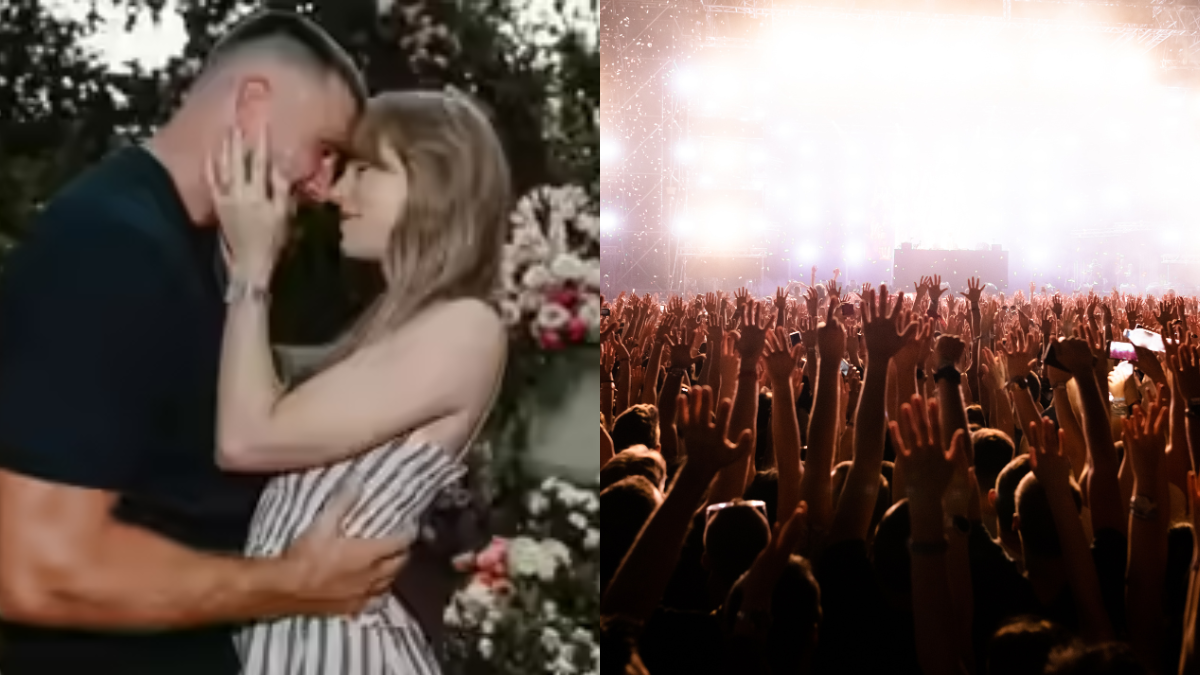
What Does “Parasocial” Mean?
The Cambridge Dictionary defines the word “parasocial,” an adjective, as involving or relating to a connection that someone feels between themselves and a famous person they personally do not know, a character in a book, film, TV series, etc., or an artificial intelligence.Are parasocial relationships healthy?
The timing of “parasocial” being chosen as the word of the year could not be better than this era, when real human connections are lacking and loneliness has gripped the world. According to the World Health Organization (WHO), one in every six people worldwide feels lonely and lacks real, trustworthy human relationships. But what do parasocial relationships mean in this situation, and are they healthy?Dr Chandni Tugnait underlines, “Because the connection is not reciprocal, individuals may idealize the figure or depend on the imagined bond for emotional regulation. This can distort expectations in real relationships and deepen a sense of isolation.”

Psychology Behind Parasocial Relationships
“The psychology behind parasocial relationships comes from how our brains naturally form emotional bonds when we see someone repeatedly, hear their voice, and learn personal details, even if the person is on a screen and not physically present,” explains Dr Shree. “Social media increases this effect by showing daily routines, personal stories, and direct messages, which create an illusion of closeness, making the viewer feel understood even without any real interaction.” Dr. Tugnait mentions, “When someone repeatedly consumes a creator’s or celebrity’s content, the mind begins treating that presence as known, activating the same neural pathways involved in real relationships. This creates a sense of comfort and emotional closeness, even though the bond is one-sided.” “People assign ideal qualities to the public figure, turning the parasocial relationship into a reflection of their own desires. It feels safe because it demands nothing in return, yet it cannot replace the emotional nourishment of real, reciprocal relationships,” she further adds. Modern research shows that parasocial relationships are sometimes formed due to loneliness, resonance from the public figure’s life story, a lack of real-life bonds, and isolation. This creates a space where watching someone online, or reading about the personality or character, helps you feel connected. With time, it leads you to deep-diving into their personal and professional life, making you first their fan and later obsessed with their choices, work, and life.Parasocial Relationships As a Coping Mechanism
In many cases, parasocial relationships also work as a coping mechanism because they provide emotional comfort, stability, and a sense of connection during stressful or lonely times, even though the relationship is one-sided. According to Dr. Tugnait, parasocial relationships often act as a coping mechanism because they offer emotional comfort without the complexity of real-world interactions. “When someone follows a celebrity, influencer, or fictional character they admire, it can make them feel less alone and give them a safe place to escape from real-life worries,” Dr Shree states.Extremes of Parasocial Relationships
FAQ
-
What is a parasocial relationship?
“Parasocial relationship” refers to a bond that someone feels between themselves and a popular personality without knowing them in real life. -
Is having a crush parasocial?
Yes, having a crush on any public figure or book character is considered a case of a parasocial relationship. -
What does “parasocial” mean?
The term “parasocial” is an adjective that refers to someone feeling an imaginary bond with any public figure, TV star, or fictional character. -
Is a parasocial relationship good or bad?
Medical reports do not define parasocial relationships as good or bad. It depends on the mental condition of the person forming the emotional bond.
The articles, news features, interviews, quotes, and media content displayed on this page are the property of their respective publishers and media houses. All such materials have been sourced from publicly available online platforms where our name, views, or contributions have been referenced, quoted, or featured.
Gateway of Healing / Dr. Chandni Tugnait / Others (as applicable) does not claim ownership over any external media content reproduced or linked here. The purpose of displaying these articles is solely for informational use, record-keeping, and to acknowledge media mentions related to our work.
Full credit for authorship, editorial content, and intellectual property rights belongs to the original publishers, journalists, and media organizations.
If any publisher or rights holder wishes to request modification, updated attribution, or removal of any content featured on this website, they may contact us at info@gatewayofhealing.com, and we will take appropriate action promptly.
Read the Article on Author's webpage - CLICK HERE


