






What Happens When You Suppress Emotions?

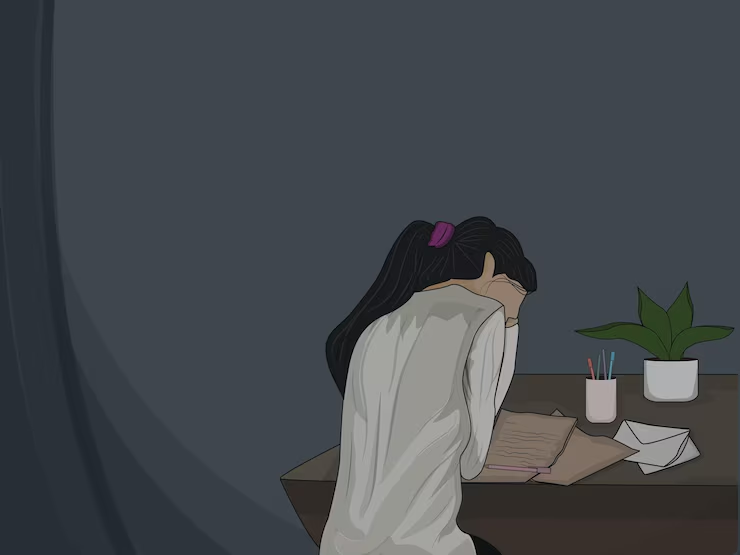
The Signs Most People Do Not Connect To Their Emotions
This is why so many people end up with tension headaches they cannot explain, or jaw clenching they only notice when someone points it out, or stomach issues that come and go without any obvious dietary cause. Suppressed emotions have a way of showing up in the body instead, as digestive problems, disrupted sleep, a weakened immune system, persistent muscle tightness around the neck and shoulders, or a fatigue that never quite goes away no matter how much rest you get. The body and mind are not separate systems. The body is simply expressing what has not been allowed any other form of expression.Why Suppressing Emotions Feels Easier In The Moment
Pushing feelings down often feels like the smart, practical choice, it gets you through a difficult meeting, a tense family function, or a hard conversation without losing composure. The problem is that what starts as an occasional coping tool gradually becomes a long-term pattern. And because it has been the default response for so long, most people do not even realise they are doing it anymore, it just feels normal.What It Costs You Over Time
When suppression becomes a habit, the nervous system essentially forgets how to switch off. It stays on alert long after the stressful moment has passed, and this is where the longer-term health consequences begin to build, quietly, slowly, and in ways that are easy to miss until they become impossible to ignore. Sleep patterns shift. Appetite changes. Energy drops. One thing feeds into the next until you are stuck in a loop that is very difficult to break without addressing what started it in the first place.What You Can Actually Do About It
This is not about reacting to everything or falling apart in public. It is simply about giving your feelings somewhere to go instead of burying them every single time. That might look like talking to someone you trust. Writing things out. Going for a walk when something is sitting heavily. Or just being honest with yourself about what you are actually feeling instead of immediately pushing past it. Even sitting with an uncomfortable emotion for a minute or two, instead of immediately suppressing it, makes a real difference to how much the body ends up carrying on your behalf. Your body keeps a record of everything you do not allow yourself to feel. Emotional suppression might look like composure from the outside, but internally it puts genuine, measurable strain on your system.The articles, news features, interviews, quotes, and media content displayed on this page are the property of their respective publishers and media houses. All such materials have been sourced from publicly available online platforms where our name, views, or contributions have been referenced, quoted, or featured.
Gateway of Healing / Dr. Chandni Tugnait / Others (as applicable) does not claim ownership over any external media content reproduced or linked here. The purpose of displaying these articles is solely for informational use, record-keeping, and to acknowledge media mentions related to our work.
Full credit for authorship, editorial content, and intellectual property rights belongs to the original publishers, journalists, and media organizations.
If any publisher or rights holder wishes to request modification, updated attribution, or removal of any content featured on this website, they may contact us at info@gatewayofhealing.com, and we will take appropriate action promptly.
Read the Article on Author's webpage - CLICK HERE


