





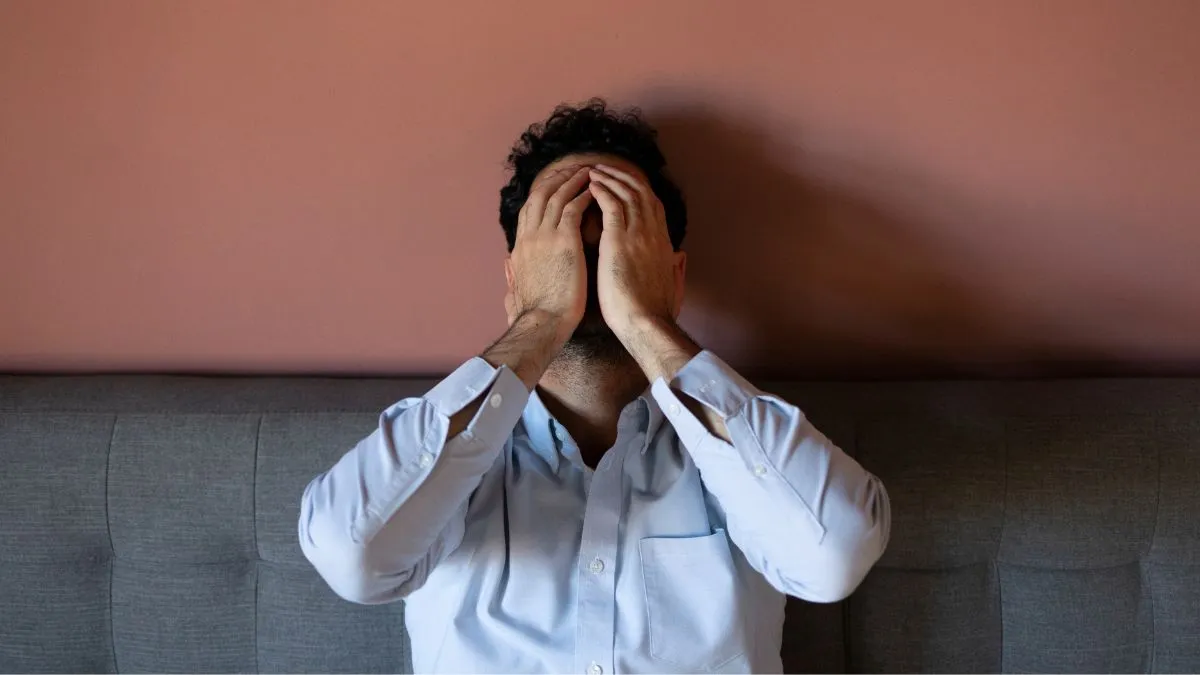
Anxiety Attack Vs Panic Attack: Key Differences
We have compared both conditions in tabular form for your better understanding.| Feature | Anxiety Attack | Panic Attack |
| Onset | Slow build-up; develops gradually over time. | Sudden onset; strikes rapidly with little to no warning. |
| Duration | Long-lasting; can persist for hours, days, or weeks. | Short and intense; typically peaks within 10 minutes and passes relatively quickly. |
| Intensity Level | Moderate to high, but usually allows you to keep functioning despite the discomfort. | Overwhelmingly severe; causes intense distress and feeling completely overwhelmed. |
| Triggers | Tied to specific worries, ongoing stressors, or generalised anxiety. | Unpredictable; can happen out of nowhere, even in calm situations or during sleep. |
| Physical Symptoms | Persistent tension, mind running through worst-case scenarios, body feeling on edge. | Racing heart, chest tightness, shortness of breath, dizziness, sweating, feeling detached. |
| Primary Fear / Feeling | Persistent sense that something is wrong or bad things might happen. | Overwhelming terror, fear of losing control, feeling like dying, or feeling detached from reality. |
What Anxiety Actually Feels Like
Anxiety is usually a slow build, because it tends to sit in the background of your day, sometimes quietly and sometimes loudly, but rarely arriving all at once. It might show up as a persistent sense that something is wrong, a mind that won’t stop running through worst-case scenarios, or a body that feels tense and on edge without a clear reason.What A Panic Attack Actually Feels Like
A panic attack is a completely different experience in terms of how it arrives and how intense it gets. According to the Nationl Institute of Mental Health, it comes on suddenly, often with very little warning, and peaks quickly, usually within ten minutes.Where People Get Confused
According to Dr Chandni Tugnait, Psychotherapist, Founder and Director, Gateway of Healing, “The confusion usually happens because anxiety can trigger panic attacks, and panic attacks can leave anxiety in their wake. Someone who has experienced a panic attack often develops anxiety around having another one, which can then make panic attacks more likely. The two can end up feeding each other in a cycle that feels very difficult to break without understanding what’s actually happening.”Why The Distinction Matters
According to astudy published in the journal ‘Psychiatry Research’, anxiety and panic attacks are managed differently, and what helps with one doesn’t always help with the other.The articles, news features, interviews, quotes, and media content displayed on this page are the property of their respective publishers and media houses. All such materials have been sourced from publicly available online platforms where our name, views, or contributions have been referenced, quoted, or featured.
Gateway of Healing / Dr. Chandni Tugnait / Others (as applicable) does not claim ownership over any external media content reproduced or linked here. The purpose of displaying these articles is solely for informational use, record-keeping, and to acknowledge media mentions related to our work.
Full credit for authorship, editorial content, and intellectual property rights belongs to the original publishers, journalists, and media organizations.
If any publisher or rights holder wishes to request modification, updated attribution, or removal of any content featured on this website, they may contact us at info@gatewayofhealing.com, and we will take appropriate action promptly.
Read the Article on Author's webpage - CLICK HERE


