


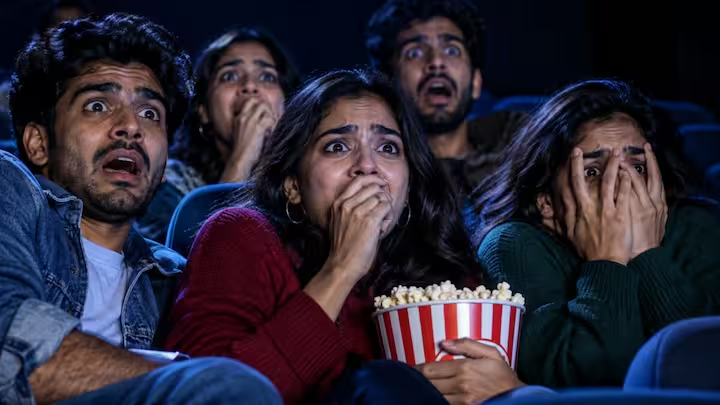
Every Halloween, horror movies find a fresh audience, while haunted houses and spooky attractions draw people willing to pay for the experience of being startled. There is something curious about this ritual. Fear is generally an emotion people try to avoid, yet many actively seek it out, whether through a disturbing film, a ghost story or an encounter with something lurking in the dark.
The appeal lies partly in the difference between experiencing genuine danger and knowing that the threat is fictional. When people watch a horror film or walk through a haunted house, their bodies may react as though something frightening is happening, but their minds know they are in a controlled environment. That combination of fear and safety can make the experience exciting. Storyteller, actor and filmmaker Sudhanshu Rai believes our fascination with horror also comes from a deeper human curiosity about the unknown. He points to the supernatural stories many of us grow up hearing, and how they become part of our collective imagination. He explains, “There is an adventurer hidden in every human being, and stepping into the unknown somehow excites that adventurer. Horror storytelling thrives on this very instinct. A storyteller knows exactly where fear resides- in a phrase, an unexpected silence, a seemingly ordinary scene, or sometimes in what remains untold.” He adds, “Our fascination with the supernatural is also a legacy passed down through generations. From childhood, we have grown up listening to tales of mysterious beings, haunted places and unexplained encounters through the voices of our grandparents and parents. These stories travelled from one generation to another, becoming so deeply woven into our imagination that discussing, imagining and almost living these supernatural experiences feels like a part of our very being.” According to Rai, horror storytelling works by awakening this inherited curiosity and encouraging audiences to approach the very things they might otherwise avoid. “The art of horror storytelling lies not merely in frightening the audience but in awakening that inherited curiosity and making people walk towards something they would otherwise run away from. Perhaps that is why we love being scared. Horror allows us to enter the unknown, experience the impossible and confront our deepest fears, all while knowing that somewhere beyond the darkness, we are safe.” But what happens in the mind and body when people enjoy being frightened? Dr Chandni Tugnait, MD (A.M), psychotherapist, life alchemist, coach and healer, and Founder and Director of Gateway of Healing, explains some of the psychological reasons behind our appetite for fear.The adrenaline rush makes fear feel exciting
When something frightening happens, the body activates its fight-or-flight response. The heart beats faster, breathing becomes quicker and adrenaline prepares the body to respond to a perceived threat. In a real-life dangerous situation, this response helps a person react to protect themselves. However, when the same physical sensations occur while watching a horror film or walking through a haunted house, the experience can feel more like excitement than genuine danger. Once the frightening moment passes, the body begins to calm down, bringing a sense of relief. Dr Tugnait explains that this shift from heightened alertness to relief is one reason people enjoy controlled scares. The frightening moment creates anticipation, while its resolution offers a satisfying emotional release.Knowing you are safe makes all the difference
A horror film may show terrifying situations, but viewers know they are watching fiction. They can cover their eyes, pause the movie or leave the cinema if the experience becomes overwhelming. Similarly, someone walking through a haunted house can usually step out if they no longer wish to continue. This sense of control changes how the brain processes fear. The person can experience the thrill of a frightening situation without believing they are in actual danger.Horror gives people a way to confront their fears
Many horror stories draw on fears people already carry, including death, illness, isolation and the unknown. Watching these fears unfold on screen allows audiences to engage with them from a distance. For some, this can make unsettling ideas feel a little more familiar. They can experience the emotional intensity of a frightening situation without having to face the real-life consequences. Dr Tugnait explains that this controlled encounter with fear can sometimes help people explore their anxieties. The experience may offer a sense of familiarity with things that otherwise seem difficult to confront.Being scared together can bring people closer
There is also a social side to enjoying horror. Friends watching a scary film together, couples visiting haunted attractions or groups screaming during a jump scare often turn the experience into a shared memory. The reactions become part of the fun. People laugh about the moments when someone jumped, grabbed another person’s arm or refused to look at the screen. Being frightened together can create a sense of connection, which is one reason horror outings remain popular among friends and couples. Dr Tugnait notes that shared scary experiences can strengthen social bonds. The fear becomes something people experience together, discuss afterwards and remember with amusement.Getting through a frightening experience can feel rewarding
There is a sense of achievement in finishing a particularly frightening film or making it through a haunted house without turning back. For some people, the experience becomes a way to test their limits and discover that they can handle more than they initially thought. The feeling of having faced something unsettling and emerged safely can bring a sense of pride. It is not necessarily about being fearless; it is about experiencing fear while retaining a sense of control.Why horror is not enjoyable for everyone
Despite its appeal, horror is not universally enjoyable. Some people find frightening films and haunted attractions genuinely distressing, and there is nothing unusual about that. For individuals living with anxiety or those who have experienced trauma, horror content can trigger real discomfort rather than excitement. The same scenes that entertain one person may leave another feeling unsettled long after the film ends.The articles, news features, interviews, quotes, and media content displayed on this page are the property of their respective publishers and media houses. All such materials have been sourced from publicly available online platforms where our name, views, or contributions have been referenced, quoted, or featured.
Gateway of Healing / Dr. Chandni Tugnait / Others (as applicable) does not claim ownership over any external media content reproduced or linked here. The purpose of displaying these articles is solely for informational use, record-keeping, and to acknowledge media mentions related to our work.
Full credit for authorship, editorial content, and intellectual property rights belongs to the original publishers, journalists, and media organizations.
If any publisher or rights holder wishes to request modification, updated attribution, or removal of any content featured on this website, they may contact us at info@gatewayofhealing.com, and we will take appropriate action promptly.
Read the Article on Author's webpage - CLICK HERE